When There’s No Original File to Work From
Not every project starts with a clean digital design. Sometimes the only reference available is a physical part — an aging component with no surviving drawings, a broken piece that needs replacing, or a competitor’s product being evaluated for compatibility. Reverse engineering exists to bridge that gap, turning a physical object into an accurate digital model.
From Physical Object to Point Cloud
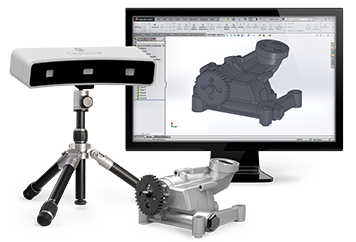
The process usually starts with 3D scanning or precise manual measurement, capturing the part’s actual geometry as a dense set of surface data points. For simple parts, careful measurement with calipers and gauges may be enough; for complex or organic shapes, a 3D scanner captures far more detail, far faster.
Turning Raw Data Into a Usable CAD Model
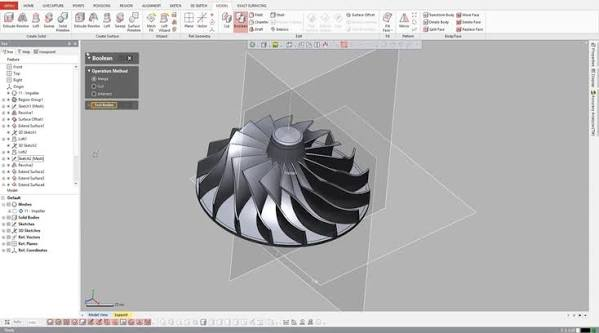
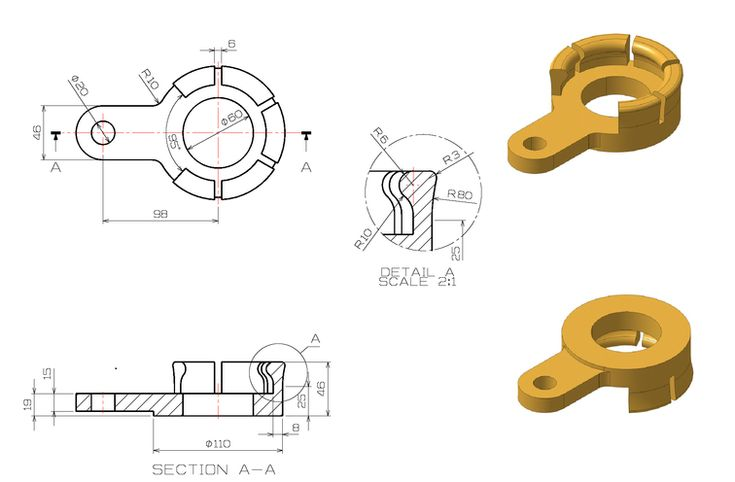
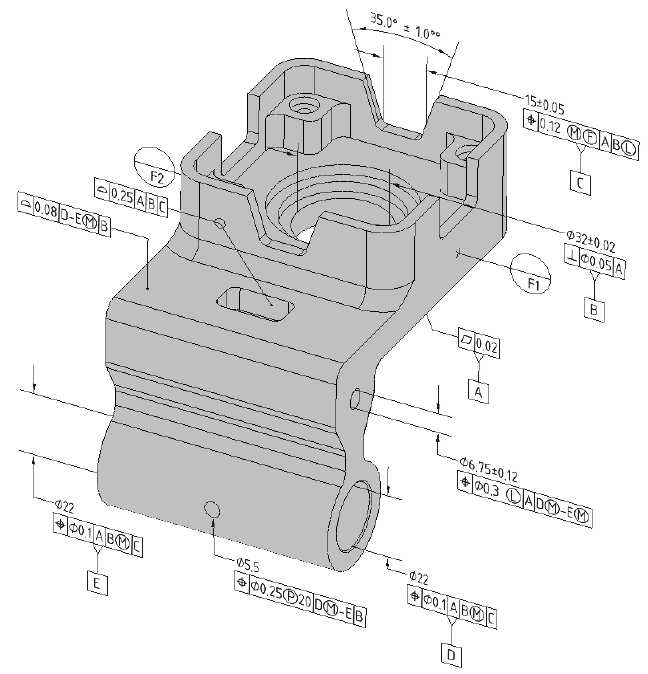
Raw scan data on its own isn’t directly usable for further design work or manufacturing — it needs to be reconstructed into a proper parametric CAD model with real, editable features rather than just a mesh of triangles. This step requires genuine engineering judgment, interpreting what the original design intent likely was rather than simply tracing every imperfection in the physical part.
Common Reasons to Reverse Engineer a Part
Reverse engineering commonly comes up when replacing an obsolete part with no available drawings, adapting an existing design for a new manufacturing process, or creating a digital baseline before modifying or improving on an existing physical design.
Have a Physical Part That Needs to Become a Digital Model?
RunTechEngineer reverse engineers physical parts and scan data into accurate, editable CAD models ready for further design work, simulation, or manufacturing.
Once reconstructed, a model often benefits from a DFM review before it goes into production — or Contact Us to discuss your part.