
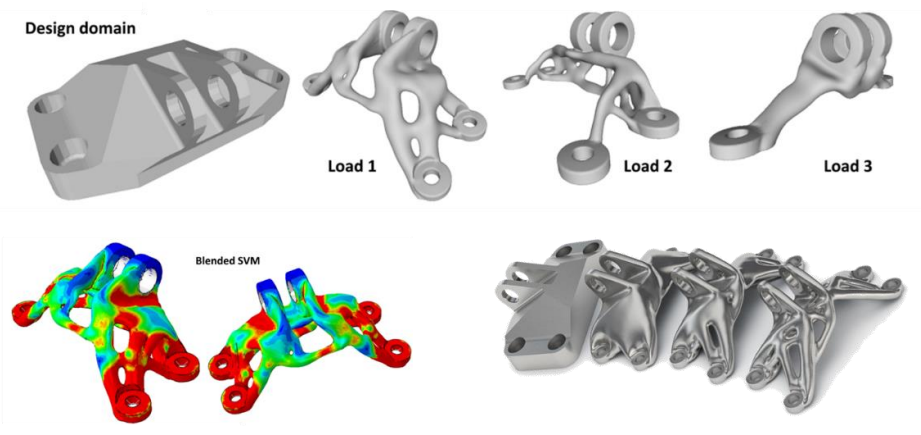
Topology Optimization: What It Is, How It Works, and How to Use It
What topology optimization is, how the SIMP method decides where material goes, a step-by-step workflow, manufacturing limits, and when to use it.
What topology optimization is, how the SIMP method decides where material goes, a step-by-step workflow, manufacturing limits, and when to use it.
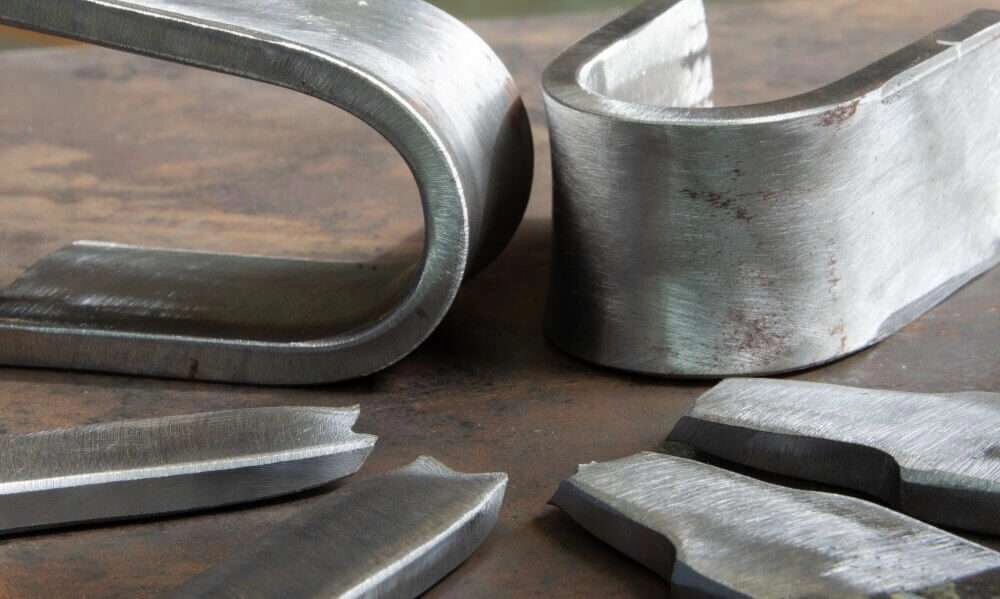
What factor of safety means, how to calculate it from yield or ultimate strength, margin of safety, the values codes require, and how to choose one.
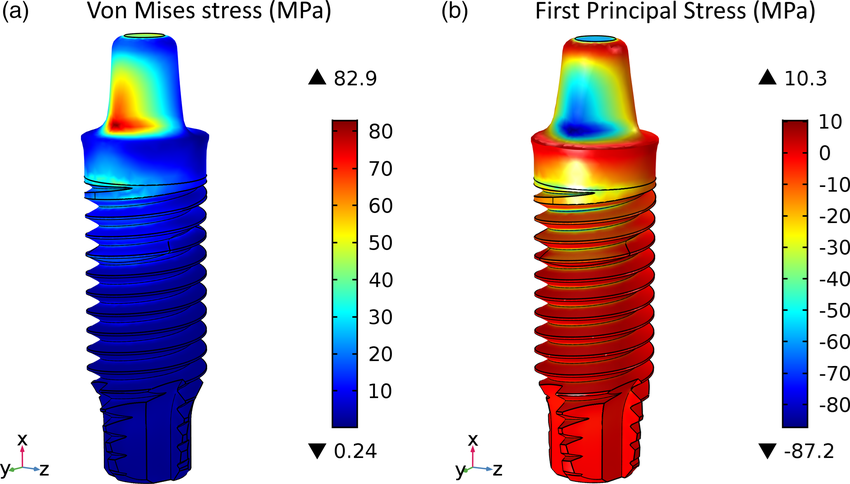
What von Mises stress means, the formula for 3D and plane stress, a worked example with a safety factor, and when an FEA von Mises plot can mislead you.
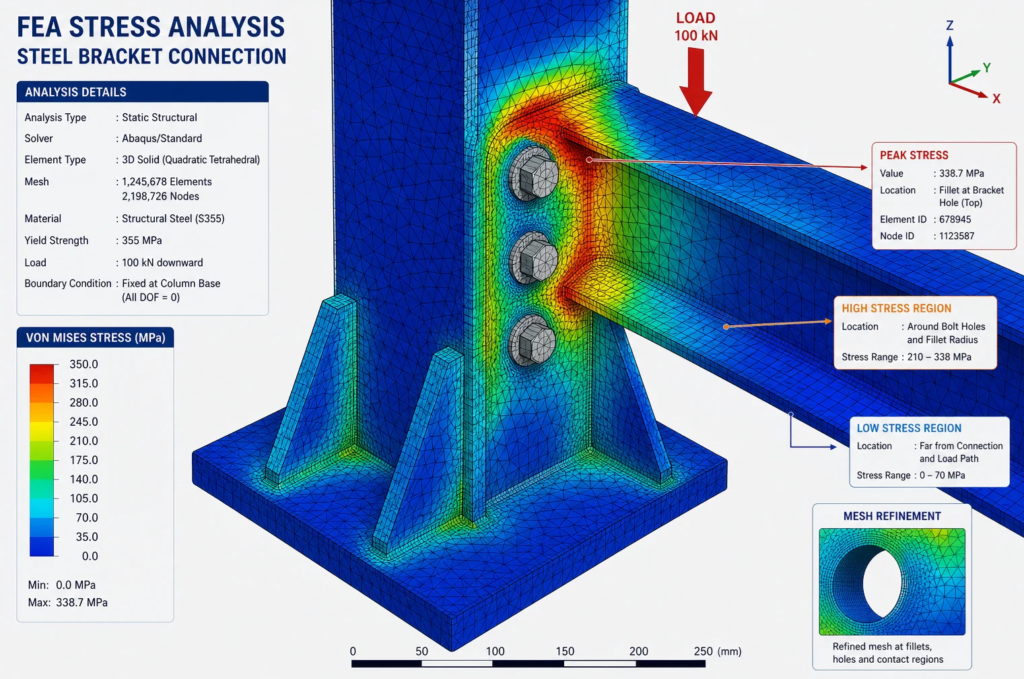
How FEA predicts mechanical failure: the failure modes it covers, a worked bracket example with hand-check and safety factor, and the mistakes to avoid.
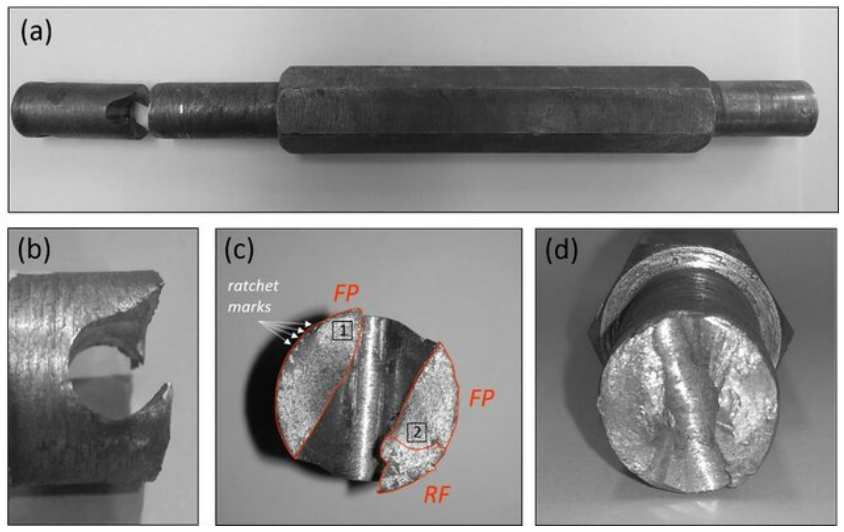
The Short Answer Fatigue failure is the cracking and eventual breaking of a part under loads that are repeated many […]
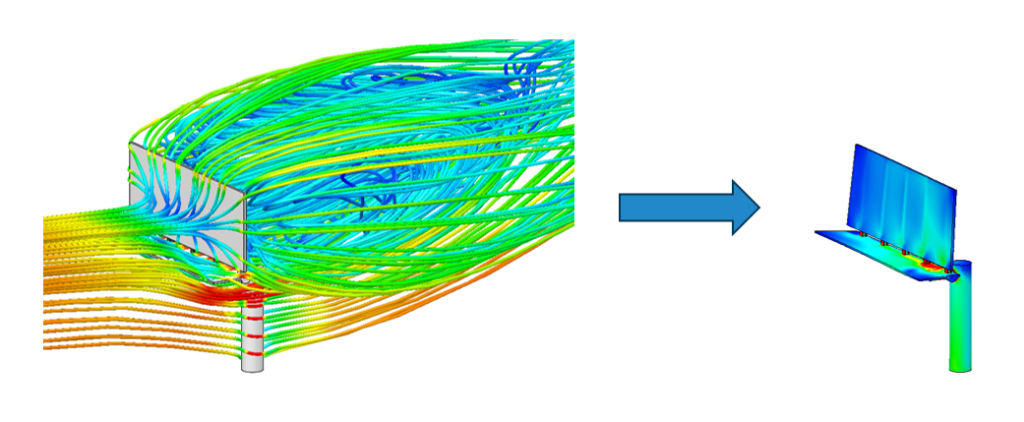
FEA tells you whether a part will bend or break. CFD tells you how air or liquid moves around it. Here is how to know which one your design needs.
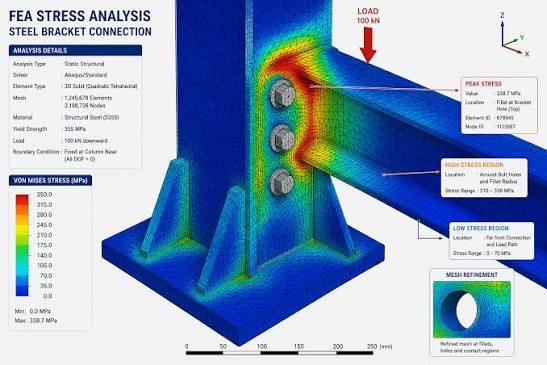
Finite element analysis explained in plain language: how FEA works step by step, the main types of analysis, how to read the results, and its limits.
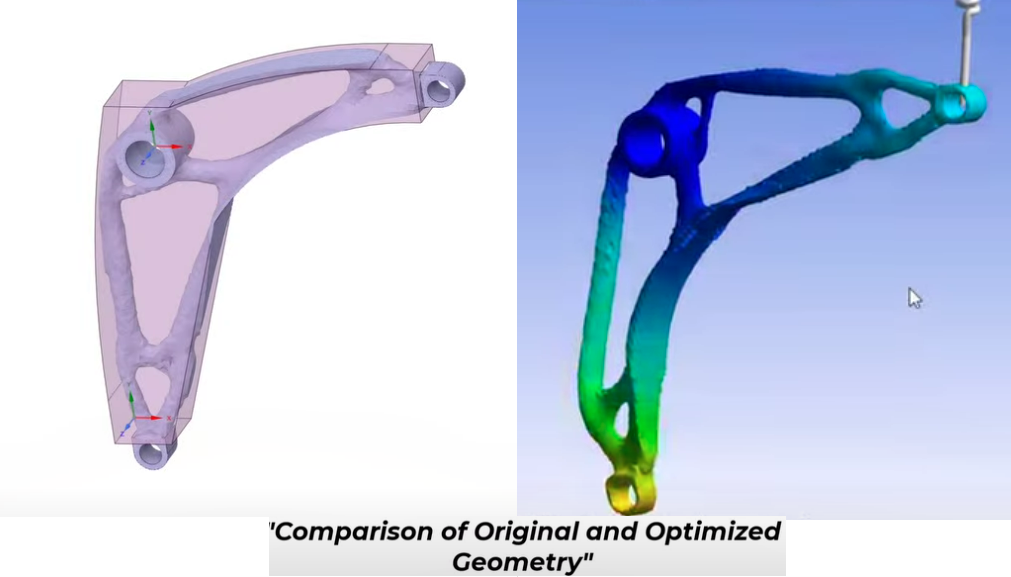
Most first-pass designs carry more material than they actually need — optimization is where that extra weight comes off.
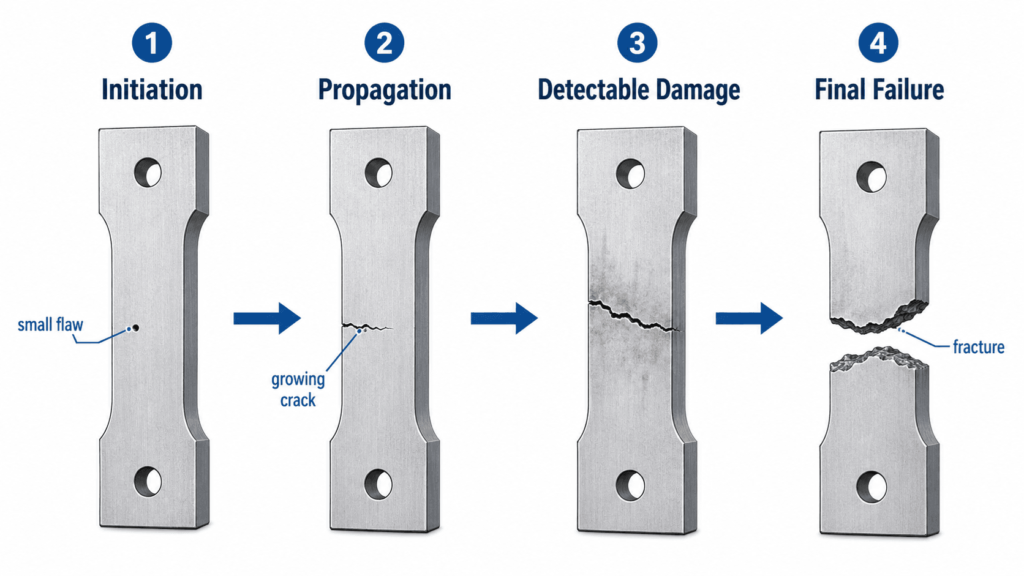
How fatigue analysis predicts the life of a part under repeated loads: the three methods, the steps from load history to safety factor, and the mistakes to avoid
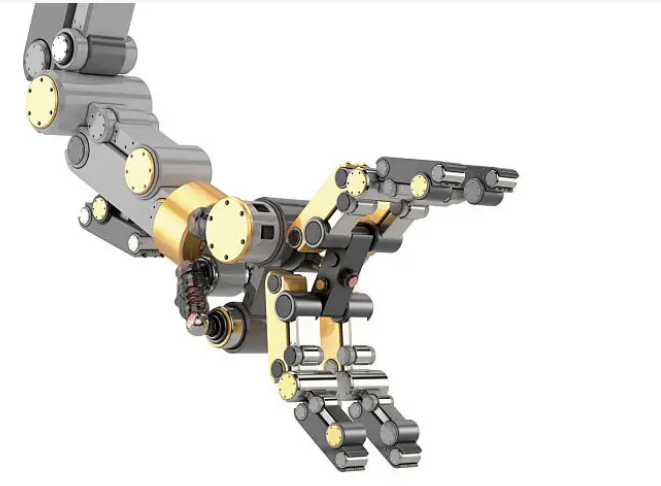
A mechanism that looks correct in a static CAD model can still bind, collide, or jam the moment it actually moves.