
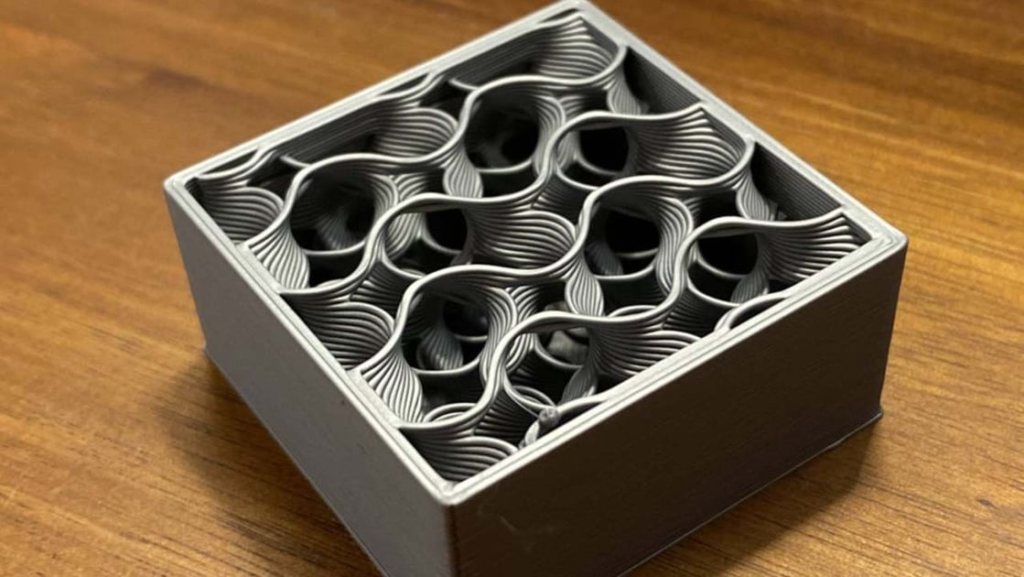
Best Infill for Strength: Which Pattern and Percentage to Use
What is the best infill for strength? Test data shows walls and orientation matter more than pattern. Starting 3D print settings for each part type.
What is the best infill for strength? Test data shows walls and orientation matter more than pattern. Starting 3D print settings for each part type.
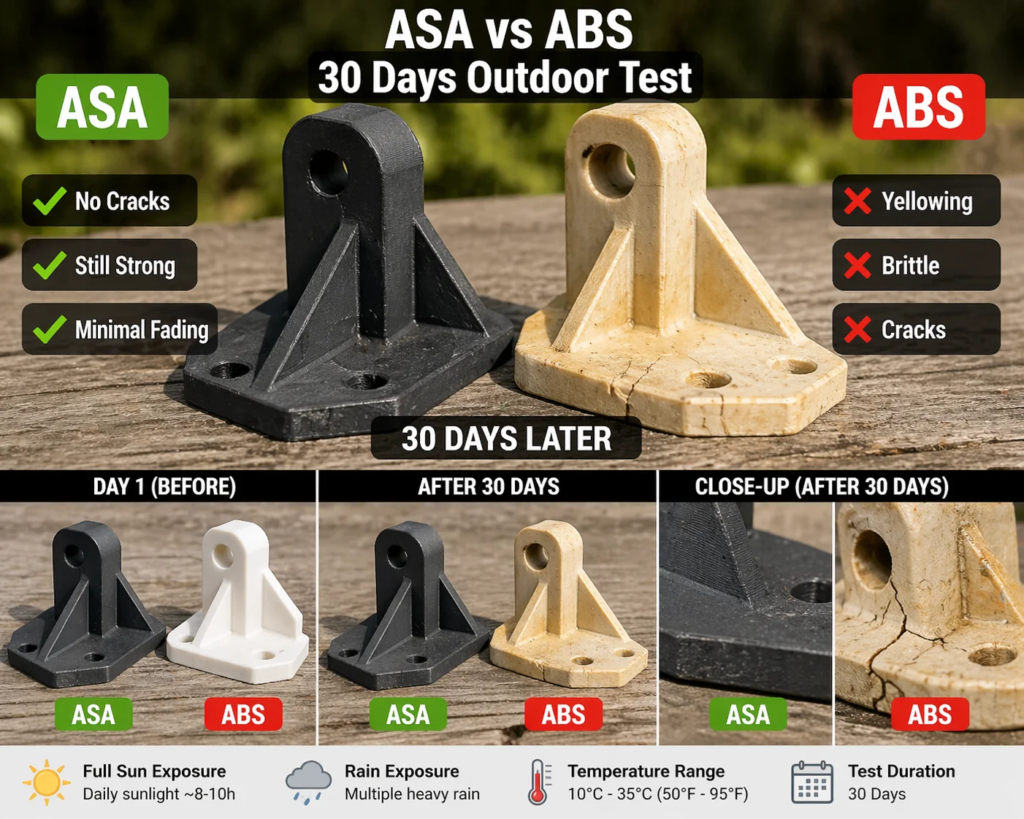
ASA vs ABS compared with datasheet numbers: strength, toughness, heat, UV and weather resistance, how hard each is to print, and which to choose for your part.
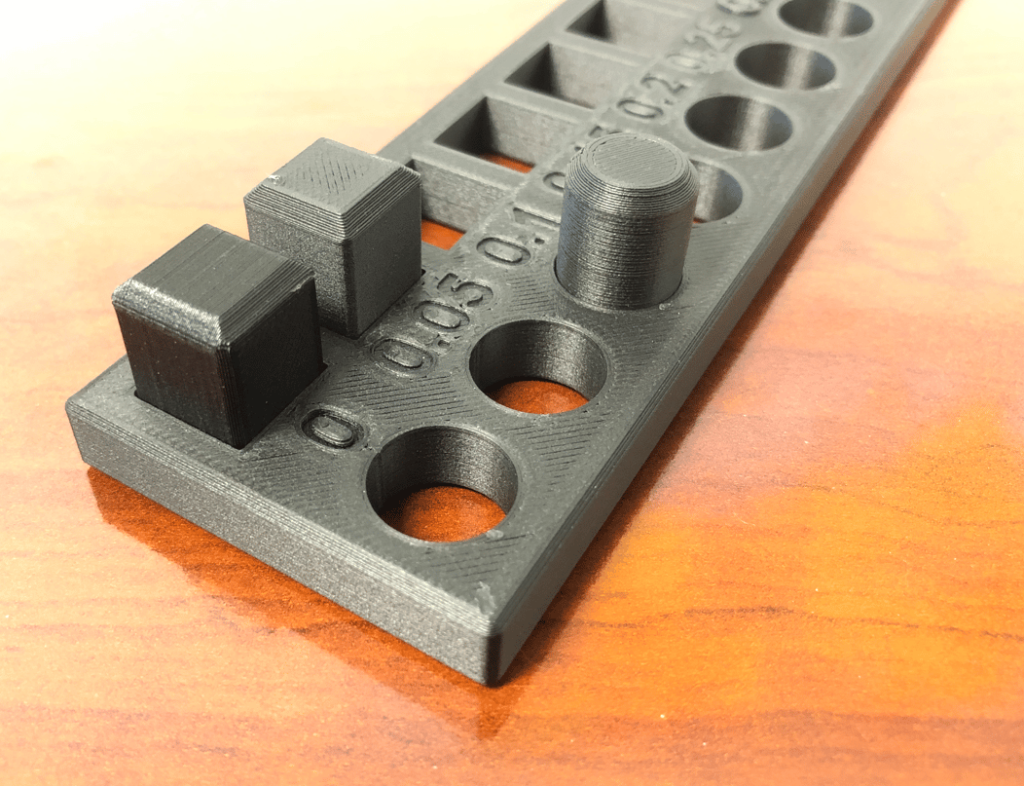
3D printing tolerances for FDM, SLA, SLS and MJF, what they mean for a real part, the clearance to leave between mating parts, and minimum wall thickness.
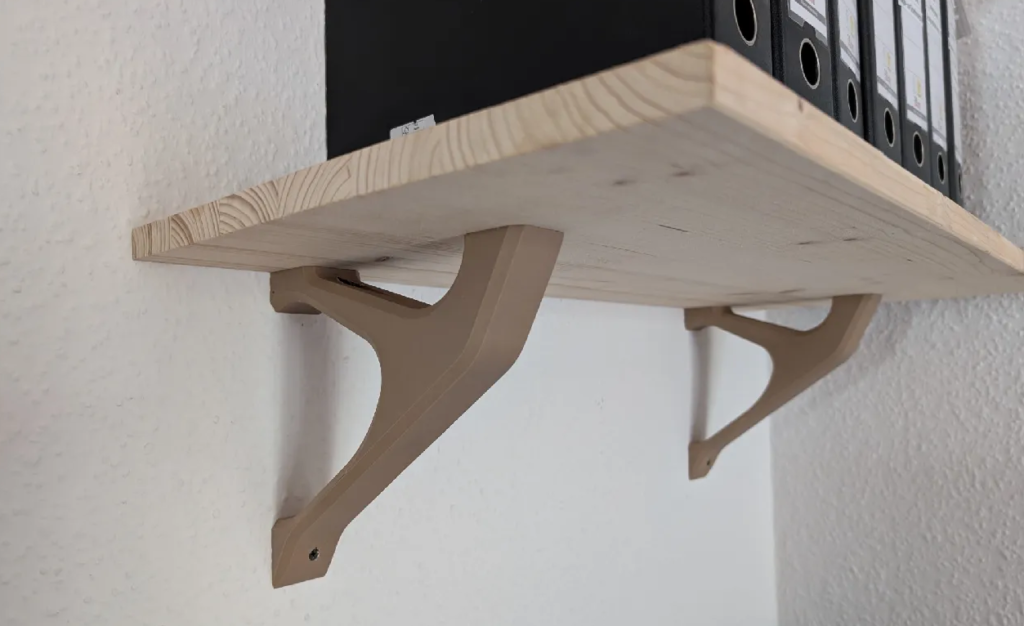
PLA yields at about 50 to 60 MPa when printed solid, but it is brittle, weaker across its layers, and soft above about 55 °C. Here is what that means for a real part.
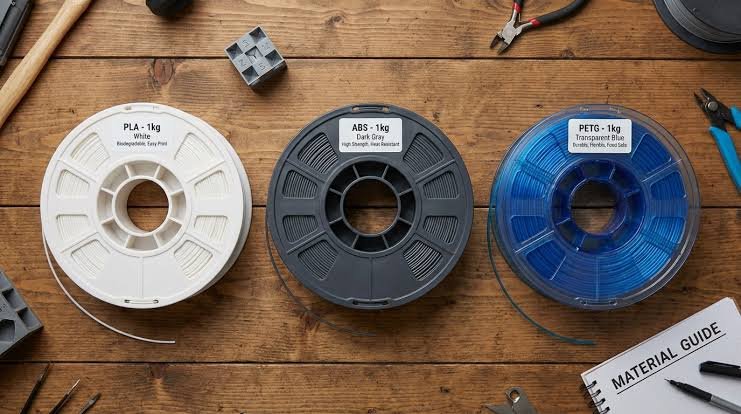
PLA is the easiest to print, ABS handles the most heat, and PETG sits in between. Here is how to choose the right one for your part.
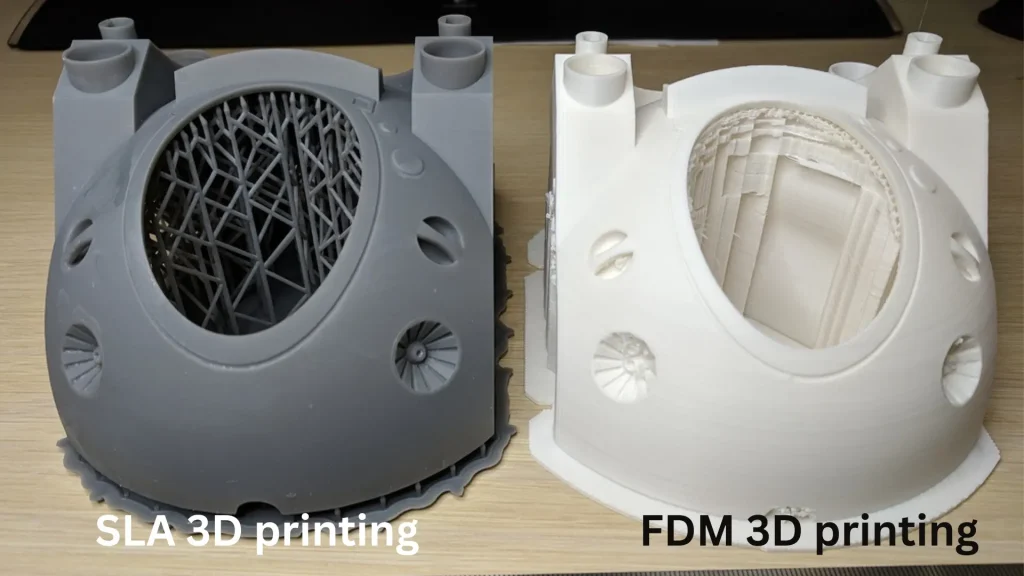
FDM vs SLA side by side: how each process works, where each one wins on detail, strength, and cost, and which to choose for your part.
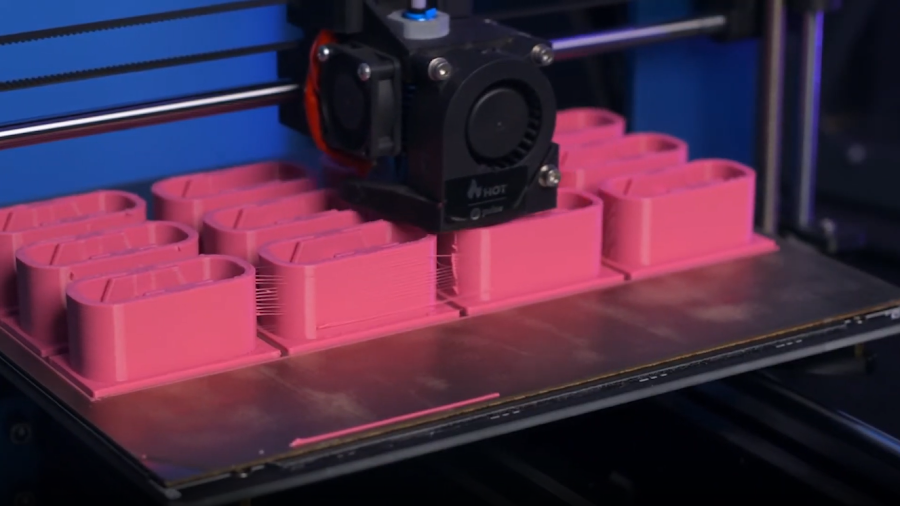
When Tooling Doesn’t Make Sense Processes like injection molding become extremely cost-effective at high volume, but only after a significant […]
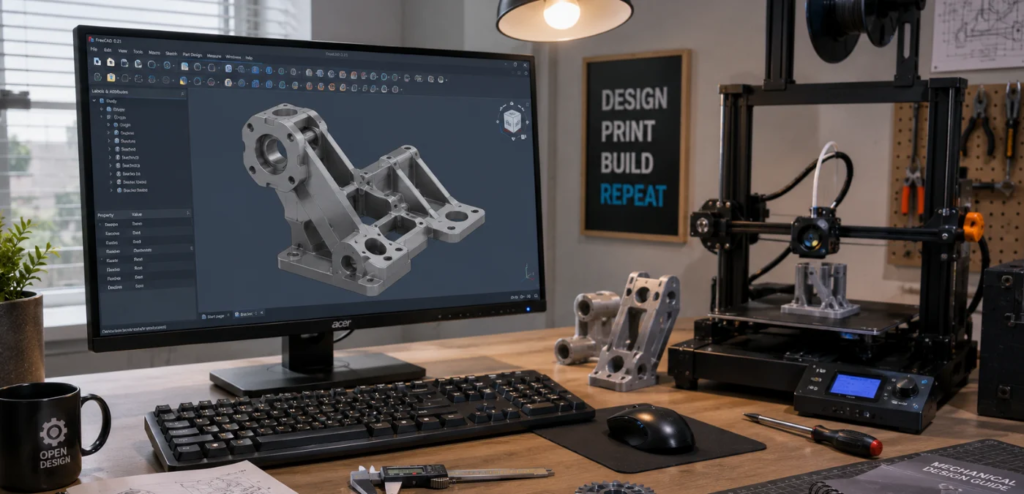
A design that machines perfectly can still print poorly — 3D printing has its own rules worth designing around.
A practical 3D printing material selection guide: five questions to ask about your part, a comparison table, and the right material for each requirement.
Functional 3D printed parts have to carry load, fit an assembly, and survive daily use. Here is how we print them and what we need from you.