
CNC Milling vs CNC Turning: What’s the Difference?
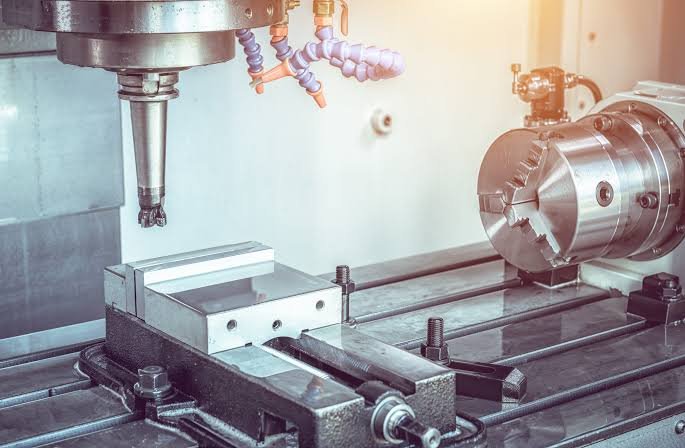
In milling the tool spins and the part stays still. In turning the part spins and the tool stays still. That one difference decides which process fits your part.
In milling the tool spins and the part stays still. In turning the part spins and the tool stays still. That one difference decides which process fits your part.
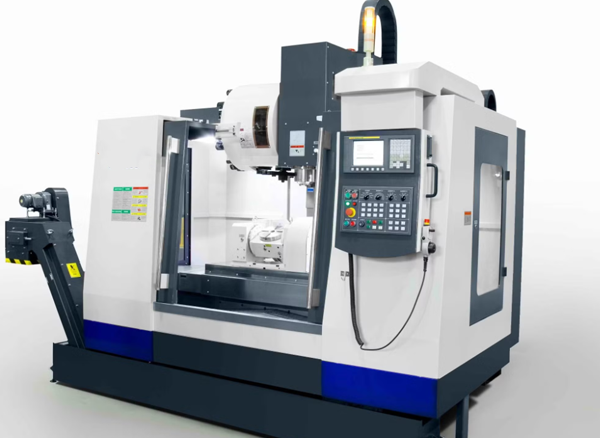
CNC machines turn a digital design into a precise physical part, automatically and repeatably — here’s how that actually happens.
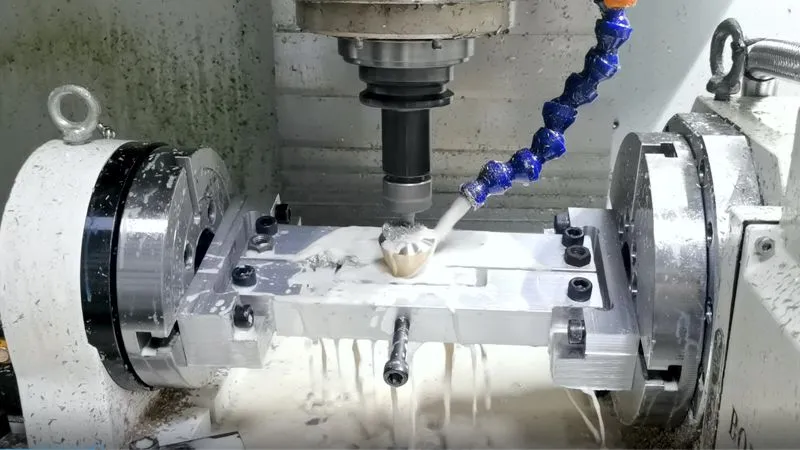
Milling and turning remain the two core processes behind almost every precision-machined part.
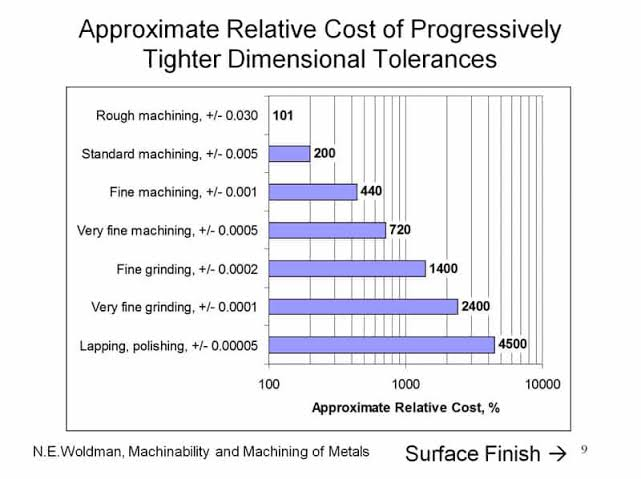
A tolerance is a promise about how much a part is allowed to vary — and keeping that promise is what precision machining is built around.
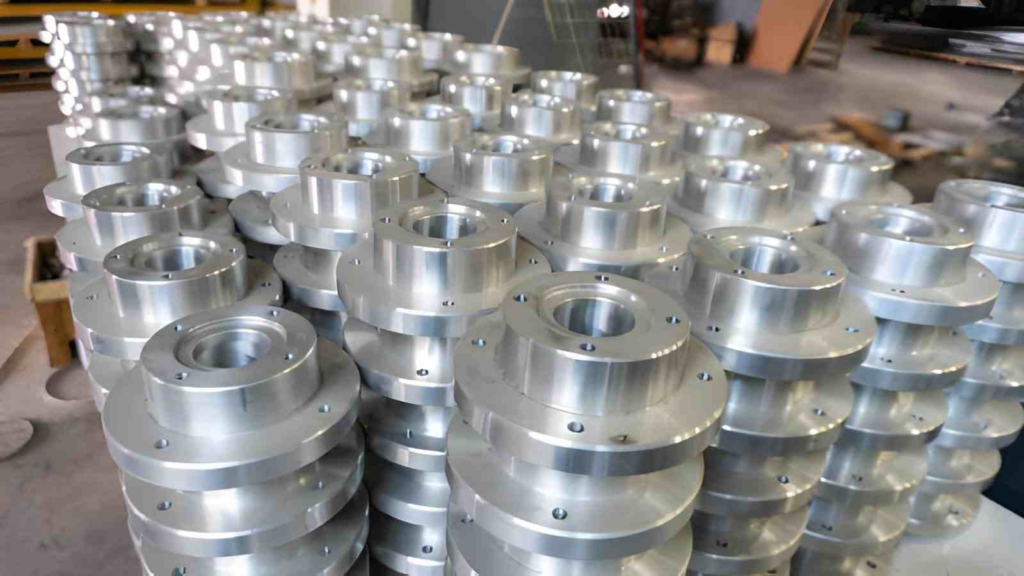
Small-batch production sits in the gap between a one-off prototype and full mass manufacturing.
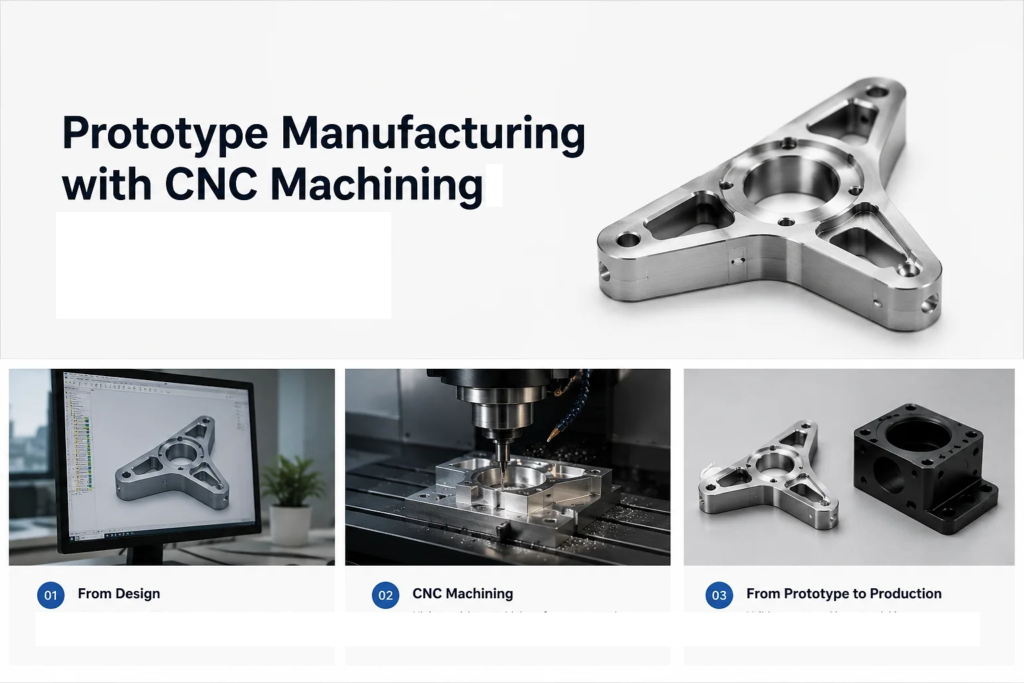
A prototype’s real value comes from how quickly it turns an idea into something you can actually hold and test.
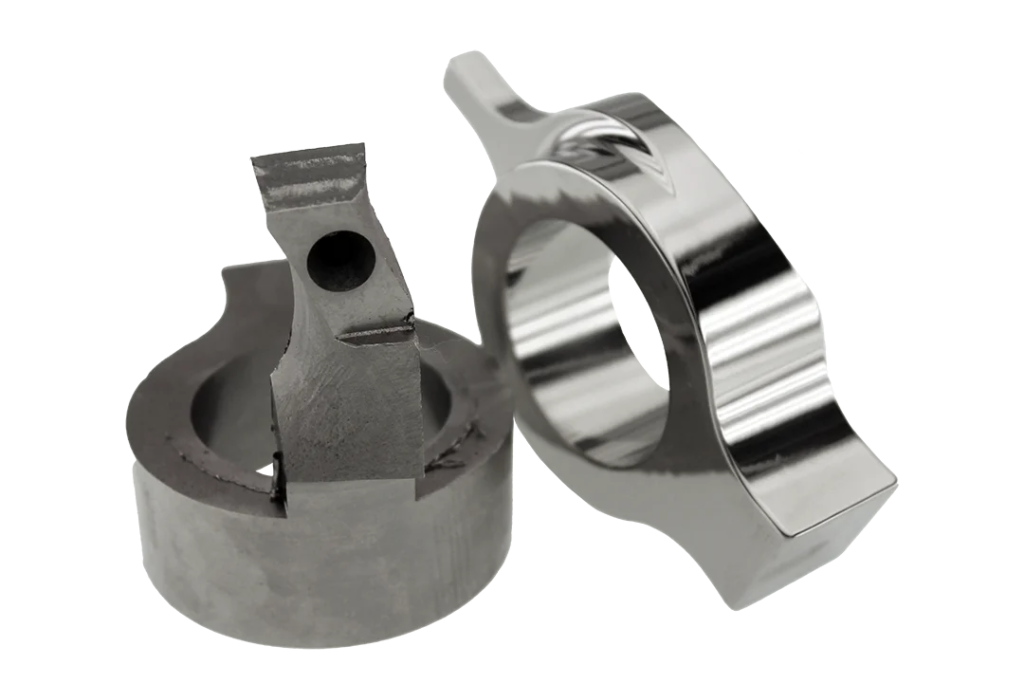
Finishing Services — Deburring, Surface Finishing, and More
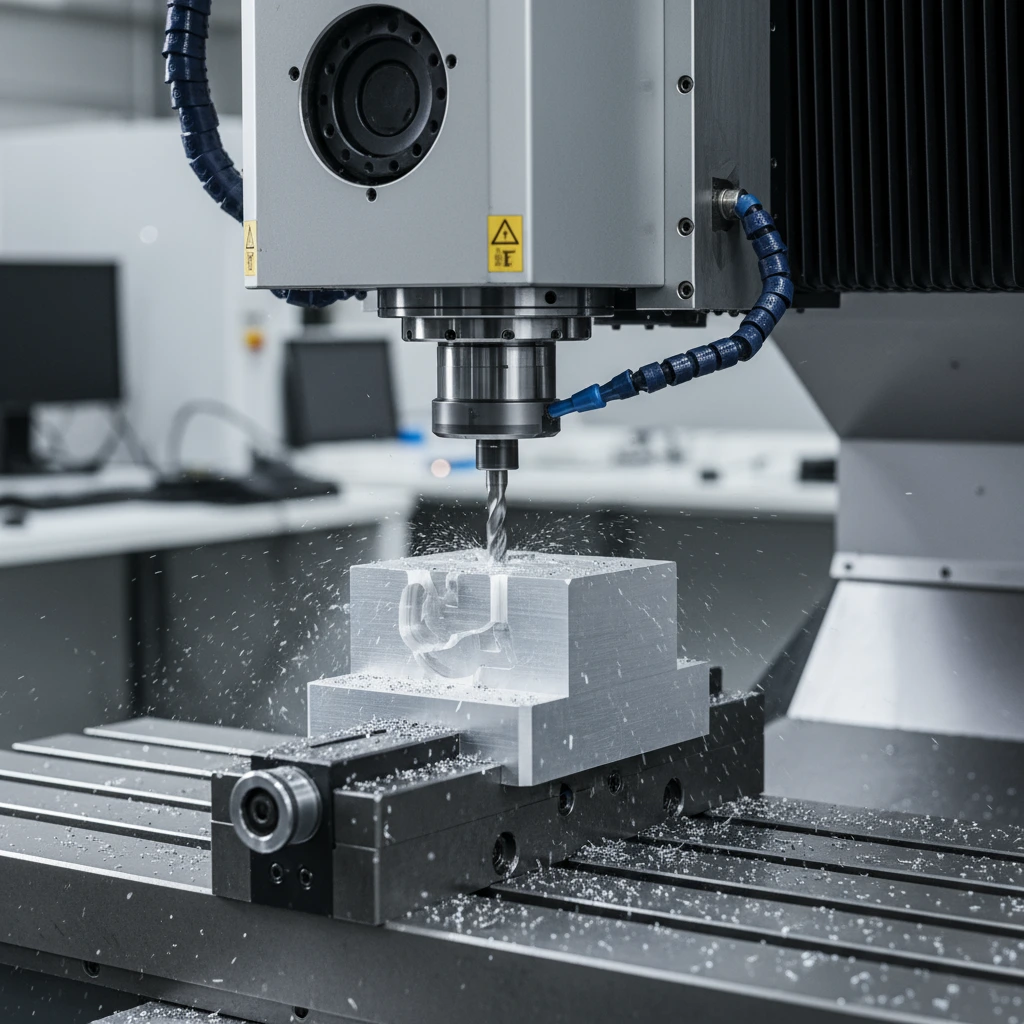
1. Project Background The project began with a request from SMK Bina Kerja Purwakarta, West Java, Indonesia, for a 3-axis […]