A Simple Definition
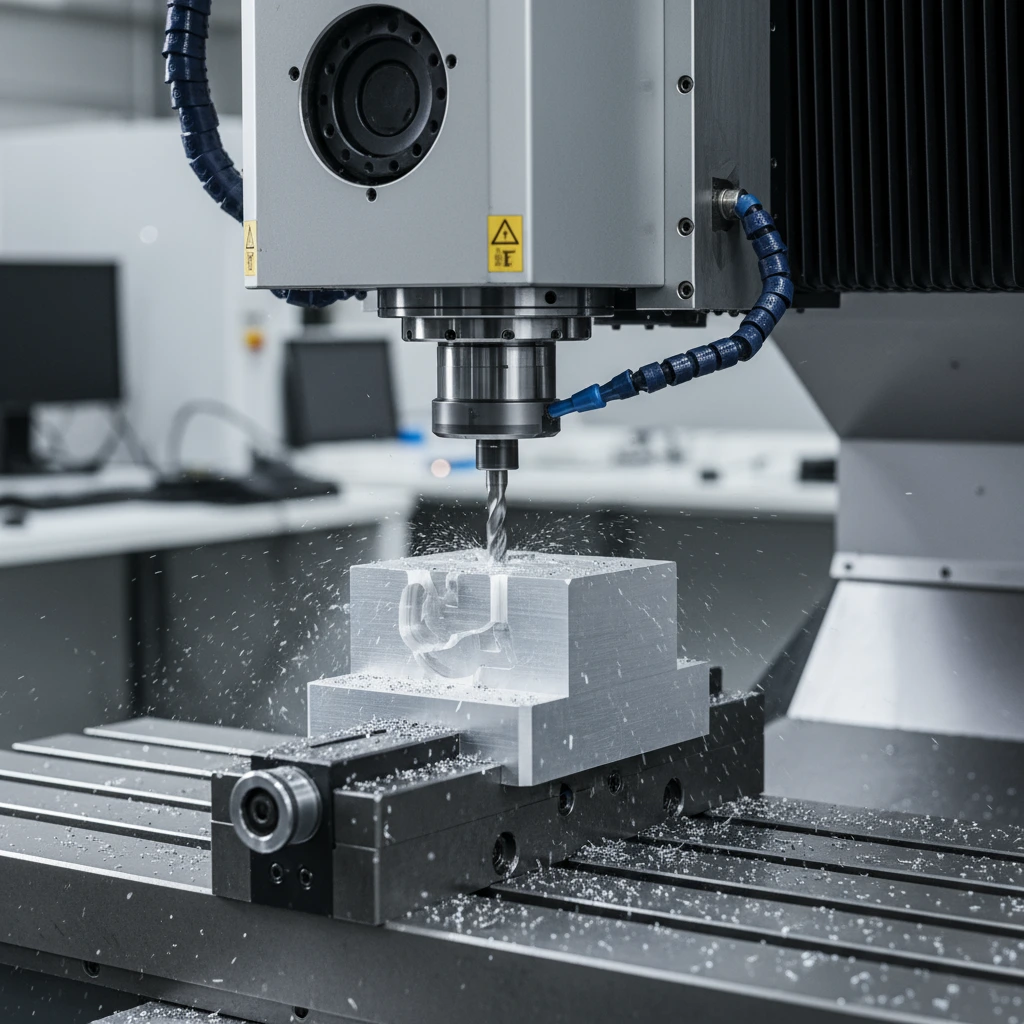
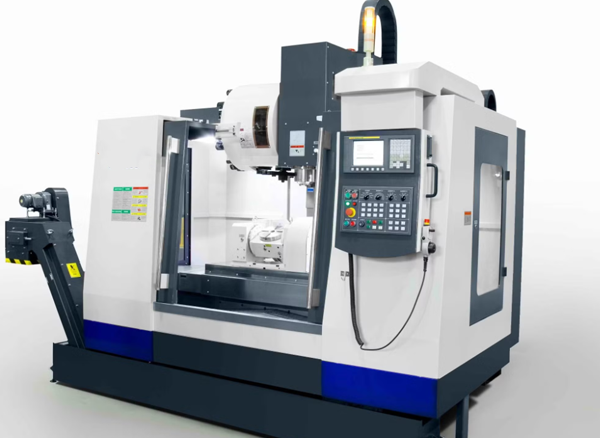
A CNC machine — short for Computer Numerical Control — is a manufacturing tool that uses a computer to control the precise movement of cutting tools, removing material from a solid block (or ‘blank’) until it forms a finished part. Instead of a person manually turning handwheels or guiding a cutter by hand, a program tells the machine exactly where to move, how fast, and how deep to cut, over and over again with the same precision every single time.
From Manual Machining to Computer Control
Before CNC existed, machining was done manually — a skilled machinist would physically operate levers and wheels to guide a cutting tool, relying on experience and a steady hand to hit the right dimensions. CNC technology, which became widespread starting in the 1970s and 80s, replaced that manual guidance with motors controlled by a computer program, dramatically improving both precision and repeatability while reducing the skill and time needed to produce each individual part.
How a CNC Machine Actually Works
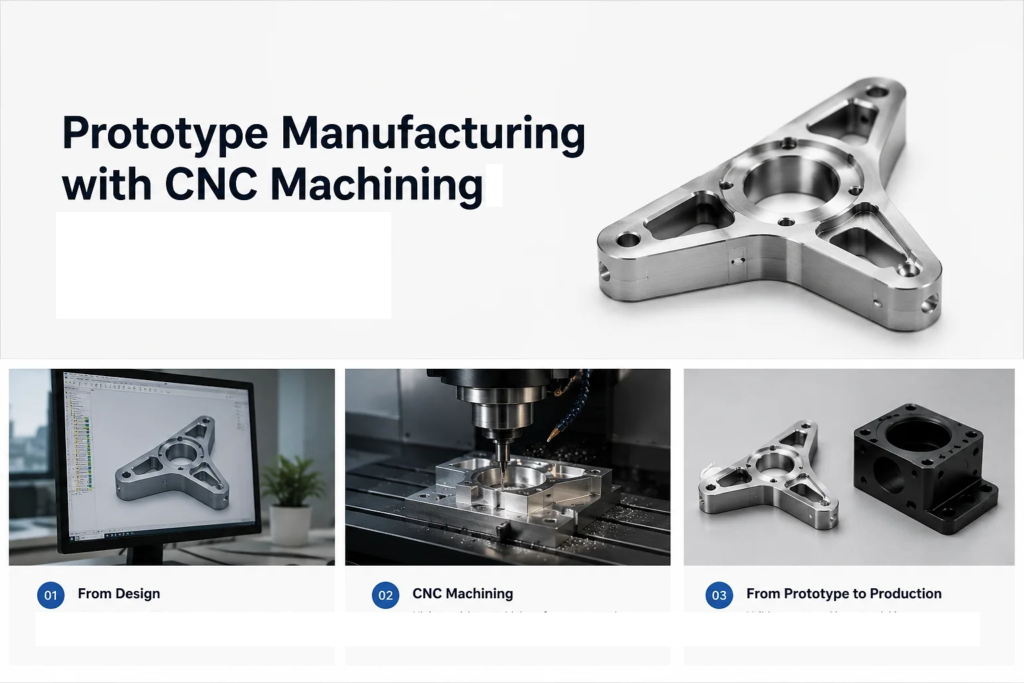
The process starts with a digital design, usually a 3D CAD model, which is converted into a set of machine instructions called G-code through a process known as CAM programming. That G-code tells the machine’s controller exactly how each axis should move — how far, how fast, and in what sequence — to cut the part out of raw material. Motors then drive the machine’s axes according to those instructions, while the cutting tool spins and removes material layer by layer until the final shape emerges.
Types of CNC Machines
CNC technology isn’t limited to one type of machine. CNC mills move a rotating cutting tool around a stationary workpiece, ideal for flat faces, pockets, and complex contours. CNC lathes do the opposite, rotating the workpiece itself while a stationary tool shapes it — the standard choice for cylindrical parts. Routers, plasma cutters, and laser cutters all apply the same core CNC principle to different cutting methods and materials, from wood and plastic to sheet metal.
Why CNC Became the Manufacturing Standard
CNC machining offers a combination that manual methods simply can’t match: a part made today will match a part made next month, down to fractions of a millimeter. This repeatability, combined with the ability to produce complex geometries reliably, is why CNC has become the backbone of modern manufacturing — from one-off prototype parts to small-batch production runs of hundreds of identical components.
Curious How CNC Machining Could Work for Your Project?
RunTechEngineer provides CNC machining services from prototyping through small-batch production, handling everything from design review to finished, precision-machined parts.
Explore our full CNC machining services or Contact Us to discuss your project.
Continue reading: CNC Milling & Turning · Toolpath Programming (CAM)