Two Processes, One Shared Goal
Milling and turning are the two foundational processes behind most precision-machined parts, and despite sharing the same underlying goal — removing material accurately to reach a final shape — they go about it in very different ways.
How Milling Works
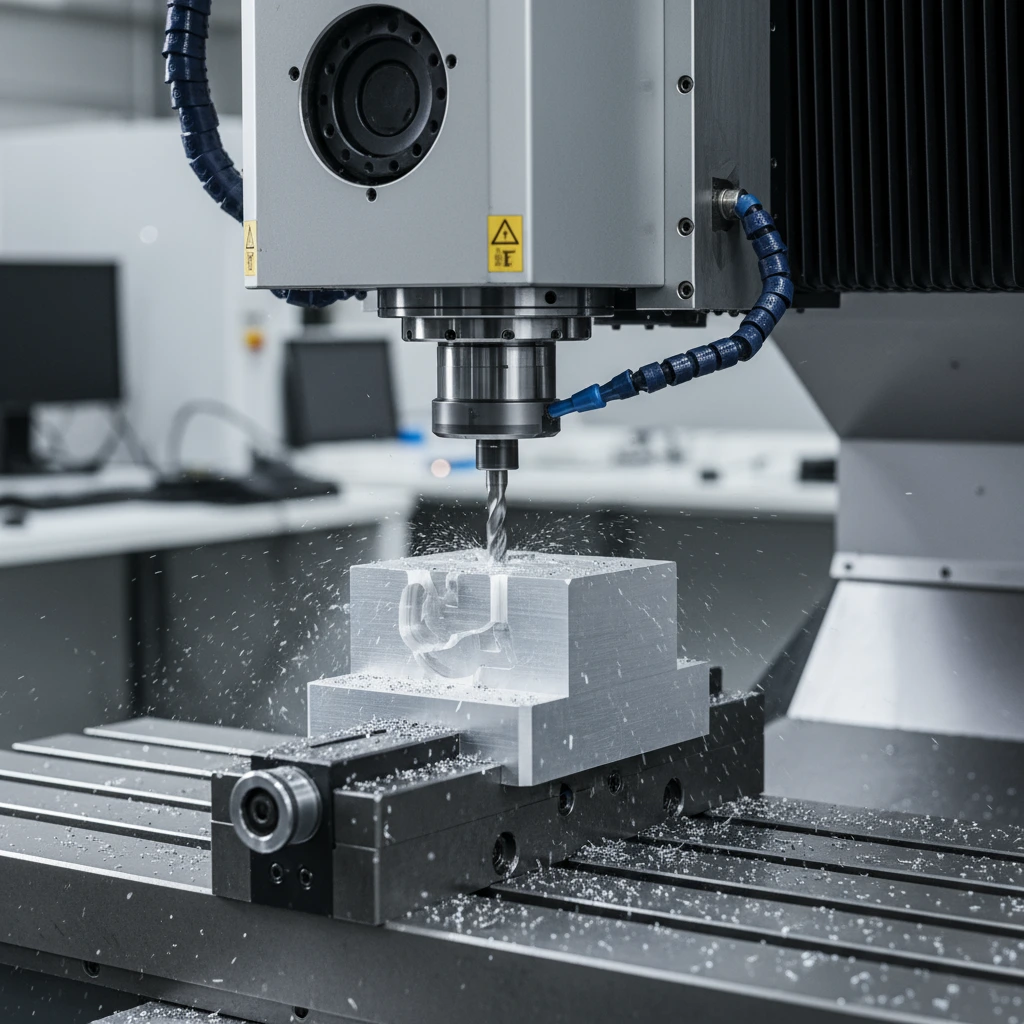
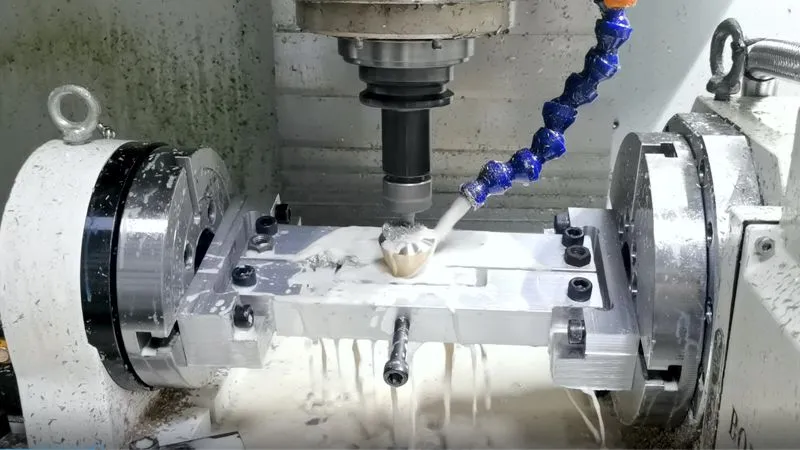
In milling, the workpiece stays fixed while a rotating cutting tool moves around it, carving away material along multiple axes. This makes milling especially well suited to parts with flat faces, slots, pockets, or complex 3D contours — the kind of geometry that would be difficult to produce any other way.
How Turning Works
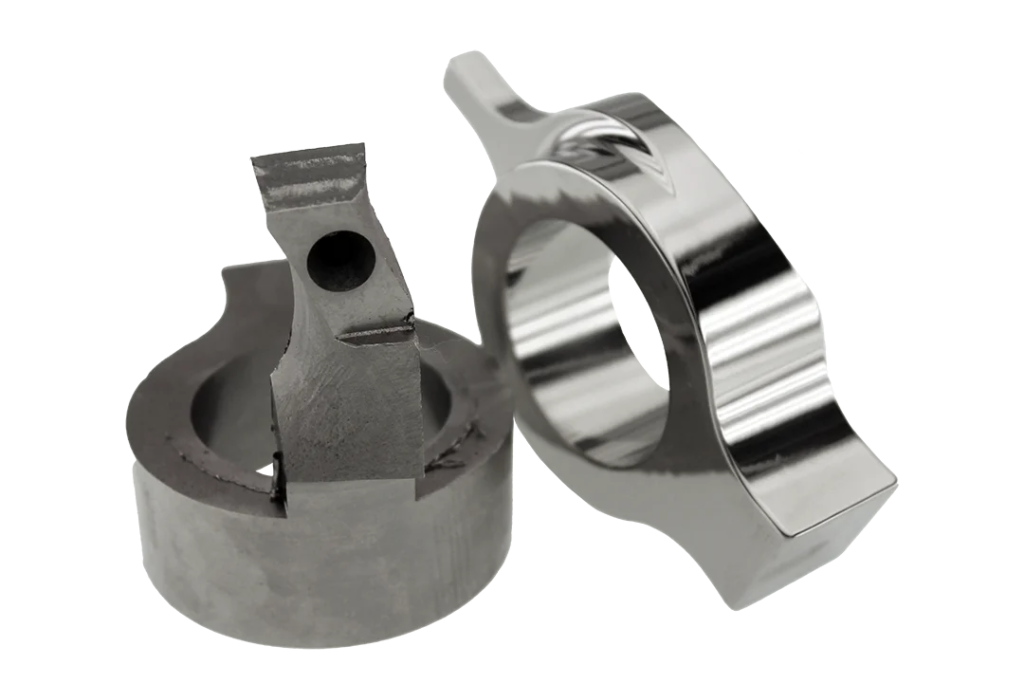
Turning flips that relationship: the workpiece itself rotates at high speed while a stationary cutting tool shapes it from the outside. This makes turning the natural choice for cylindrical parts — shafts, bushings, and rotationally symmetric components — where achieving a perfectly round profile matters more than intricate surface detail. Many finished parts actually combine both, moving between a mill and a lathe (or a single Mach3-controlled machine capable of both) depending on which features are being cut.
Choosing the Right Material
Both processes work across metals and plastics, though each material behaves differently under the cutting tool. Aluminum machines quickly and forgives minor errors in feed rate, while harder metals like steel demand slower speeds and more rigid tooling to avoid excess heat and tool wear. Plastics introduce their own quirks — some melt or deform if cut too aggressively, so speeds and cooling need to be tuned accordingly.
Why the Process Choice Matters
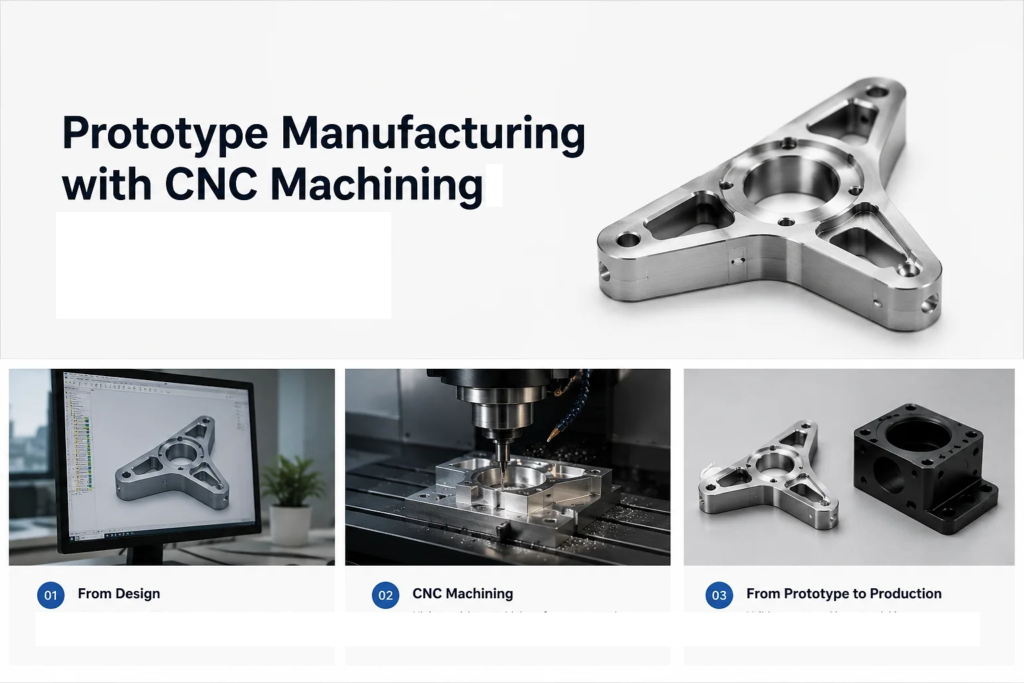
Picking the wrong process for a given geometry does not just slow things down — it can make a design far more expensive or even impossible to manufacture cleanly. Understanding the strengths of milling versus turning early in a project’s design phase saves both time and machining cost down the line.
Need Milling or Turning for Your Project?
RunTechEngineer machines both metal and plastic components using CNC milling and turning, matching the process to the part rather than forcing one approach to fit every job.
Explore our full CNC machining services or Contact Us to discuss your parts.