Visually Correct Isn’t the Same as Manufacturable
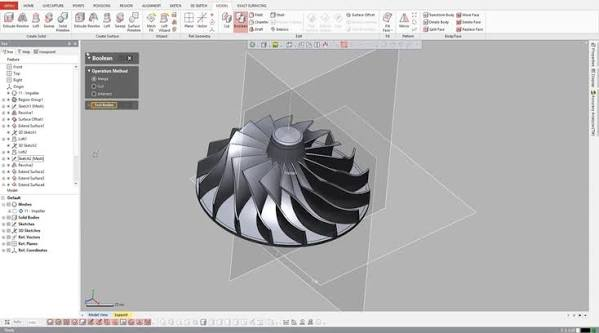
CAD software will happily let a designer create geometry that looks entirely reasonable on screen but is difficult, expensive, or even impossible to actually manufacture — an internal feature no tool can reach, a wall too thin to survive machining or printing, or a tolerance far tighter than the part’s function actually requires.
What a DFM Review Actually Looks For
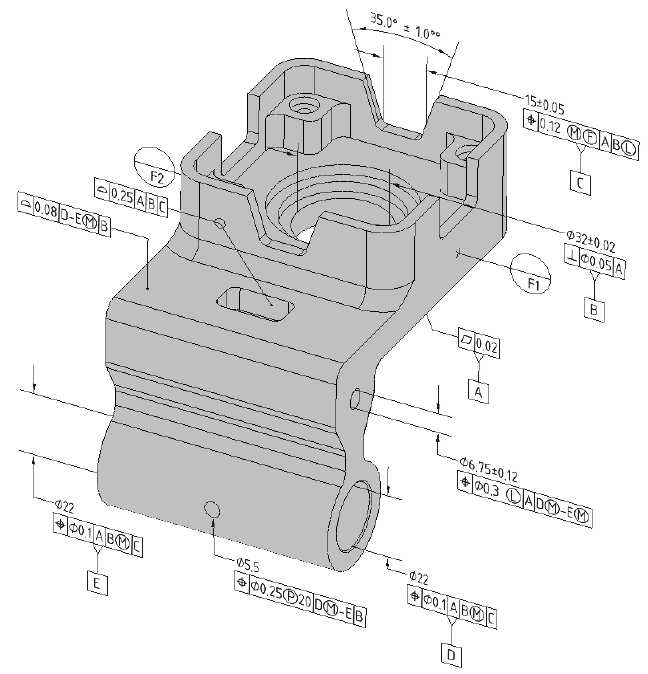
A Design for Manufacturing review examines a model specifically through the lens of the intended production method. For CNC machining, that means checking tool accessibility, avoiding unnecessarily deep or narrow pockets, and confirming that specified tolerances are actually achievable. For 3D printing, it means checking overhangs, wall thickness, and orientation-dependent strength instead.
Catching Problems While They’re Still Cheap to Fix
The real value of a DFM review lies in timing — catching a manufacturability problem while a design still exists only as a CAD file costs nothing more than a design revision. The same problem discovered after tooling has been ordered, or after a batch of parts has already failed inspection, is far more expensive to correct.
DFM Is Process-Specific
It’s worth noting that a design optimized for one manufacturing process isn’t automatically optimized for another. A geometry that machines beautifully may not print well, and vice versa — which is why a genuine DFM review considers the specific process a part will actually go through, not manufacturability in some generic sense.
Want Your Design Reviewed Before It Goes Into Production?
RunTechEngineer reviews CAD models for manufacturability against the intended production method, catching costly issues while they are still simple design changes.
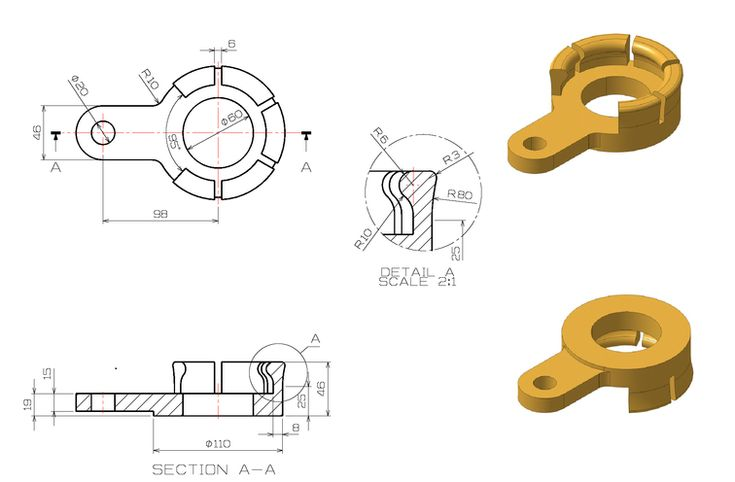
A design that passes DFM review is ready for final technical drawings — or Contact Us to get your design reviewed.