
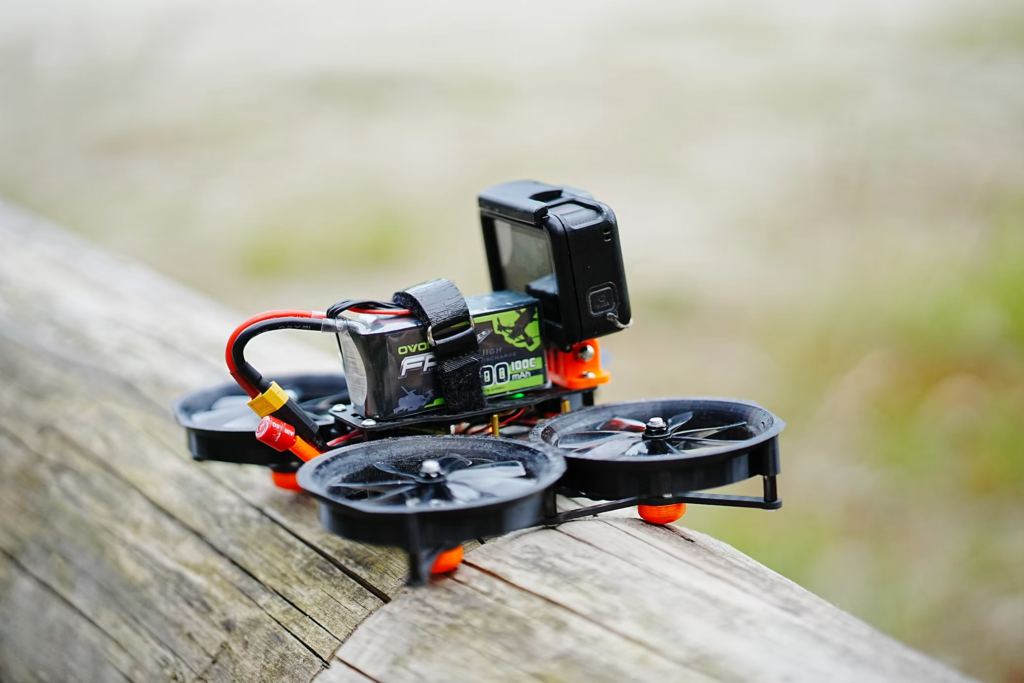
Prototyping via 3D Printing and CNC — From Design to Flying Prototype
The fastest path from a drone design file to a flying prototype usually runs through two different machines, not one.
The fastest path from a drone design file to a flying prototype usually runs through two different machines, not one.
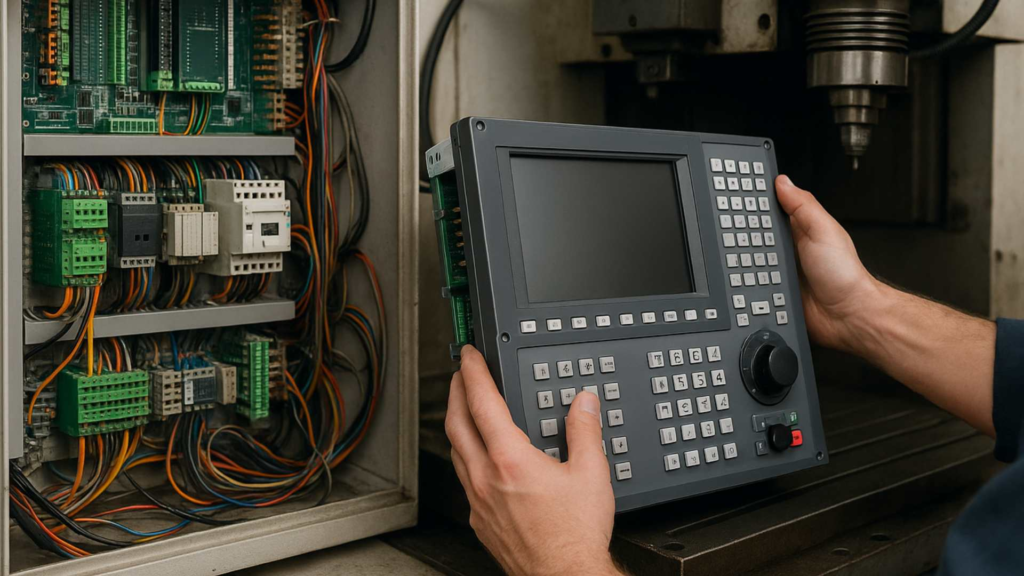
An aging CNC machine’s mechanical structure often has plenty of life left — it’s the control system that falls behind.
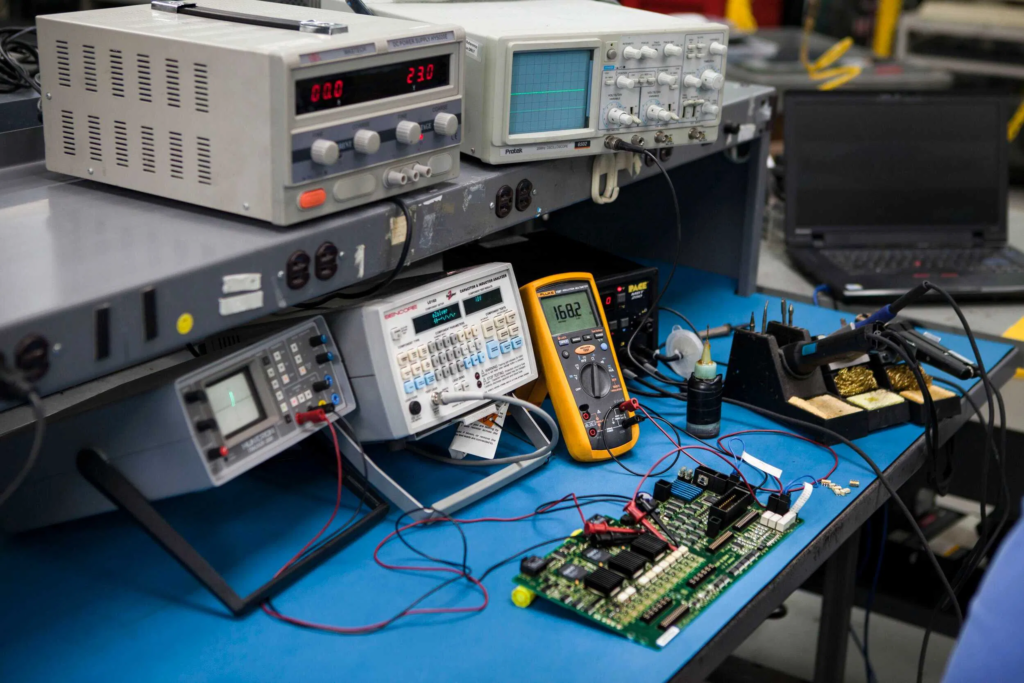
Most CNC control problems trace back to one of a handful of usual suspects — the trick is knowing where to look first.
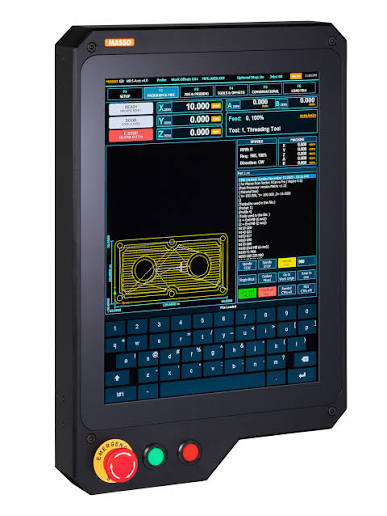
Mach3 custom macros and screen sets explained: how macro scripts work, three example macros, and how to build a screen around the way your shop runs.
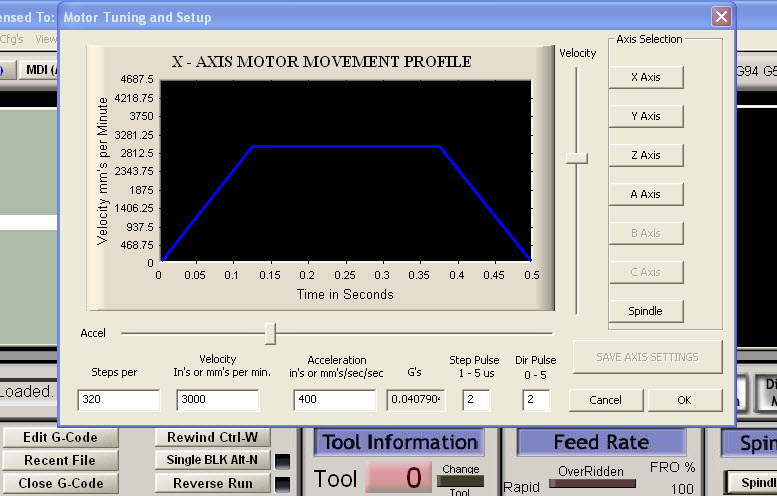
Learn how to tune stepper motors in Mach3: calculate and verify steps per unit, find the maximum safe velocity and acceleration for each axis, and set driver current correctly.
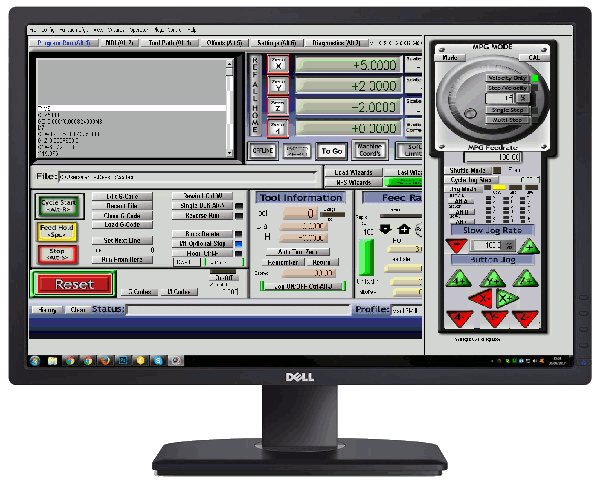
A step-by-step Mach3 setup guide covering installation, motion controller plugins, ports and pins, limit switches, homing, E-stop, and spindle control.
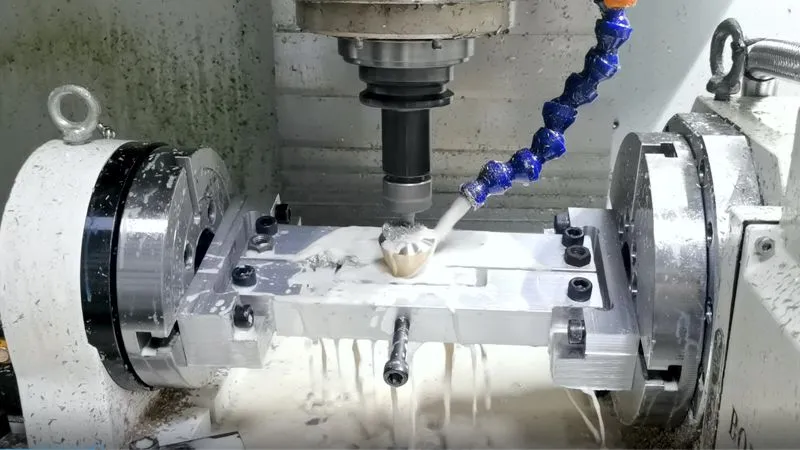
Milling and turning remain the two core processes behind almost every precision-machined part.
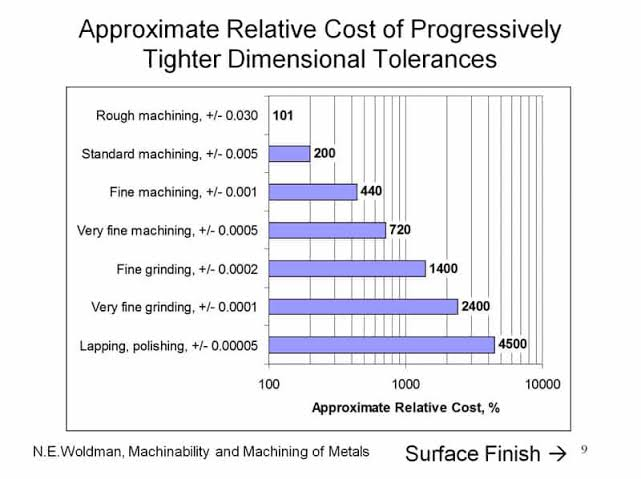
A tolerance is a promise about how much a part is allowed to vary — and keeping that promise is what precision machining is built around.
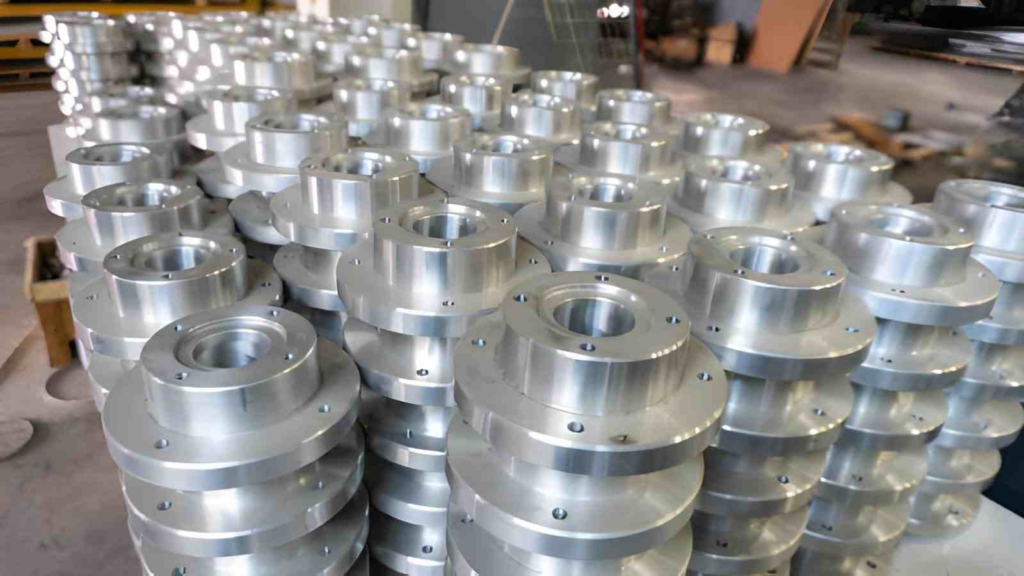
Small-batch production sits in the gap between a one-off prototype and full mass manufacturing.
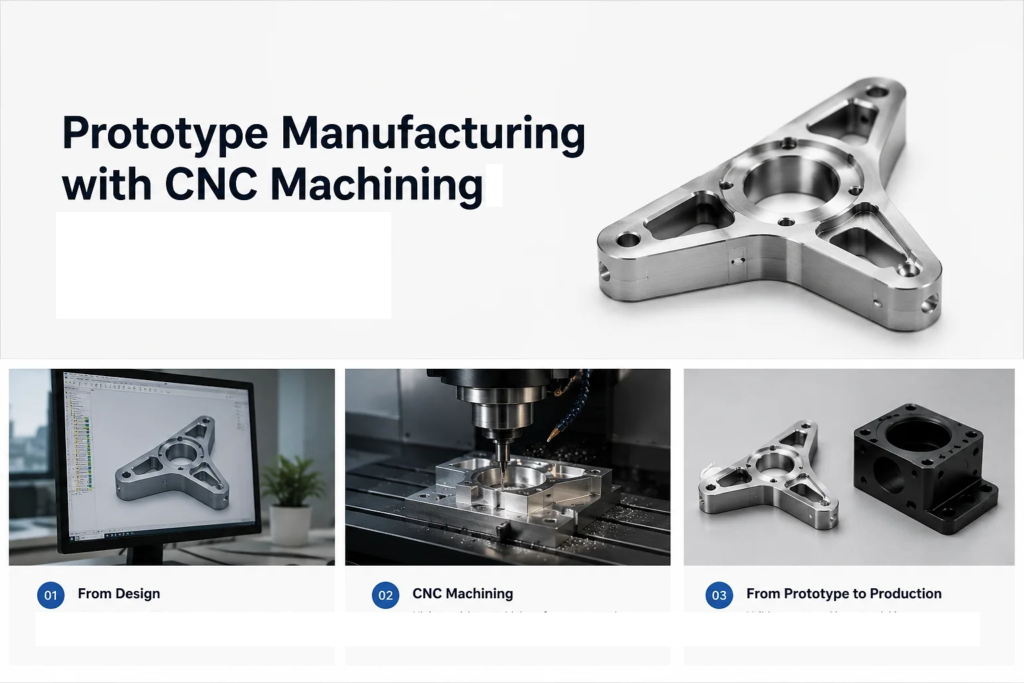
A prototype’s real value comes from how quickly it turns an idea into something you can actually hold and test.