
Why a Screen Isn’t Enough
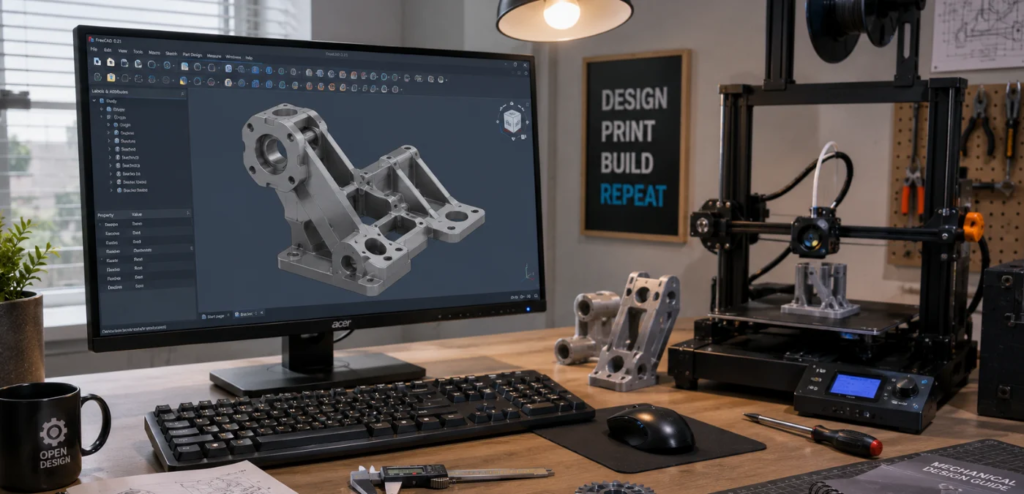
A CAD model can look perfect from every angle and still hide problems that only surface once a part exists physically — a handle that feels awkward in hand, two components that technically clear each other but leave no room for a hand to reach, or proportions that simply feel off compared to how they looked on screen. Rapid prototyping exists to catch exactly this class of problem, early and cheaply.
Why 3D Printing Fits Rapid Prototyping So Well
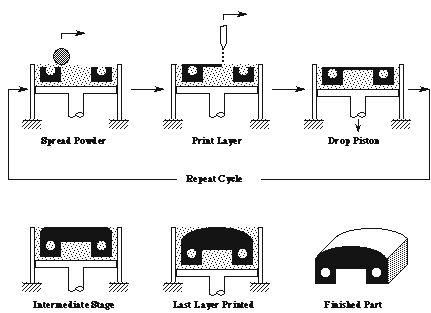
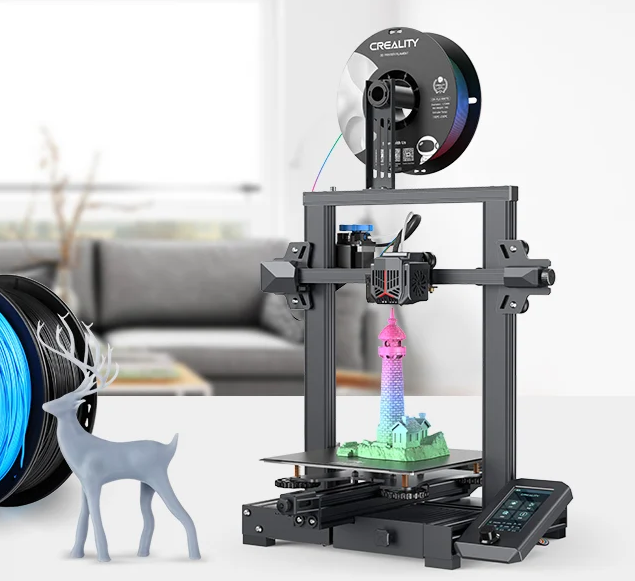
3D printing skips the tooling, fixtures, and machine setup that CNC machining typically requires, going almost directly from a finished CAD file to a physical part. For a design still likely to change, that speed matters more than the superior surface finish or material properties a machined part would offer.
What to Actually Test With a Prototype
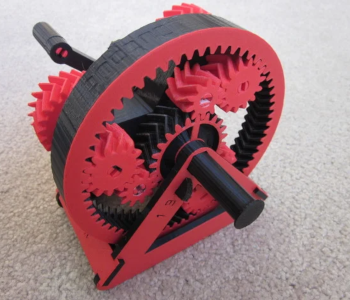
A rapid prototype is most useful when it is tested for something specific: does this part fit into its intended assembly, does a moving mechanism clear the way it should, does the overall proportion feel right in hand. Being clear about what question a given prototype is meant to answer keeps the iteration cycle focused rather than open-ended.
Knowing When to Move Beyond Printing
Once a design is validated through several rounds of fast, printed iterations, it often needs to transition to CNC-machined parts for final strength, tolerance, or surface finish requirements that 3D printing alone cannot match — rapid prototyping earns its value by getting a design to that transition point quickly and cheaply, not necessarily by producing the final part itself.
Ready to Validate Your Design Physically?
RunTechEngineer 3D prints rapid prototypes to help validate fit, form, and function before a design moves into CNC production, catching issues while they are still cheap to fix.
Once a design is proven out, functional requirements often call for functional part printing instead — or Contact Us to start your prototype.
Pingback: 3D Printing Material Selection Guide for Functional Parts