Why Sensor Selection Is the Foundation of Every IoT System
Every IoT project starts with data, and data starts with sensors. Before a single dashboard is built or a single alert is configured, someone has to decide what to measure and how. Get this first step wrong, and everything downstream inherits the problem: dashboards show numbers nobody trusts, and automation rules trigger on noise instead of real events.
That is why sensor selection deserves more attention than it usually gets. It is not simply a matter of picking whatever part is cheapest or easiest to find, but of matching the sensor to the specific question the business actually needs answered.
Common Sensor Types and Their Use Cases
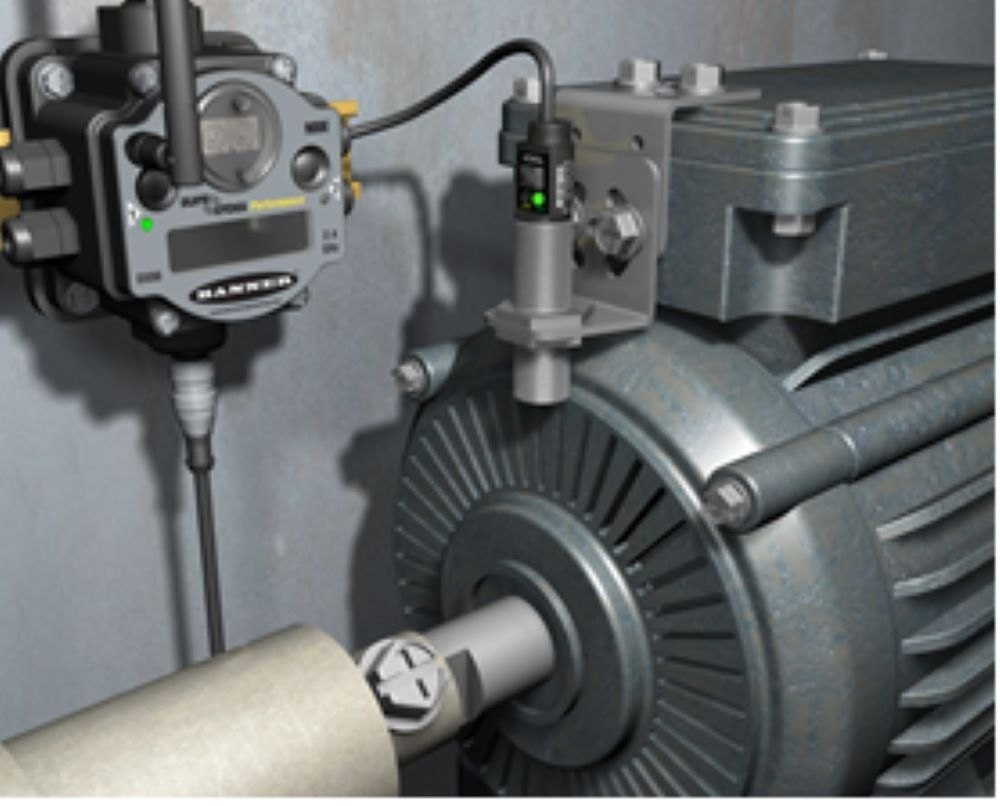
Temperature sensors are among the most widely used, and for good reason. They can flag a motor running hotter than usual, catch an enclosure overheating before it damages sensitive electronics, or track material temperature during a manufacturing process where consistency matters.
Vibration sensors tell a different kind of story. Rather than measuring a single value, they pick up patterns — the subtle shift in frequency that signals a bearing beginning to wear, or the imbalance that appears long before a machine actually breaks down. In many facilities, vibration monitoring is what turns a surprise failure into a scheduled repair.
Position sensors, meanwhile, answer the question of where something is and whether it moved when it should not have. They are especially useful for confirming that a machine axis traveled the correct distance, or for catching unexpected motion in a system that should otherwise be static.
Beyond these three, a wider family of sensors covers more specialized needs: current sensors for tracking power draw, pressure sensors for pneumatic and hydraulic systems, and proximity sensors for detecting when an object enters or leaves a defined space. Each exists to answer one narrow, practical question well.
Matching Sensor Precision to the Real Question
It is tempting to reach for the most capable sensor available, but more capability usually means more data, more cost, and more complexity to manage. The better question is not “what can this sensor measure?” but “what decision will this data actually help us make?”
A sensor meant for early fault detection needs to be sensitive enough to catch subtle changes over time. A sensor used only to confirm a machine is switched on has a much simpler job, and pairing it with expensive, high-precision hardware only adds cost without adding value. Being deliberate about this distinction early on saves both money and headaches later.
Integration Considerations
Choosing the right sensor is only half the job. How it gets installed matters just as much. Mounting position affects the accuracy of the reading, electrical noise from nearby motors or wiring can distort a signal if not properly isolated, and every sensor eventually needs to be calibrated so its output can be trusted.
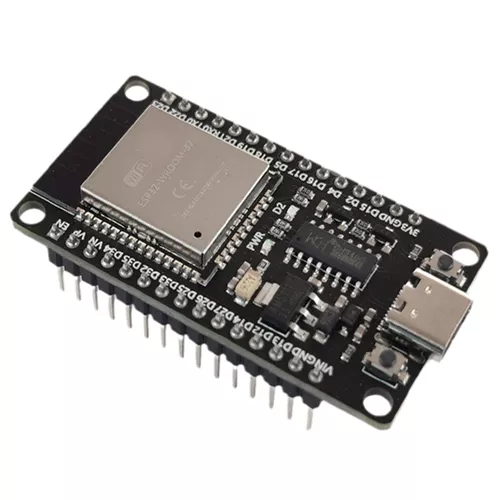
Just as important is making sure the sensor’s output actually speaks the same language as the microcontroller or data logger downstream — a topic covered in more depth in our guide to embedded systems development, where a mismatch here is one of the most common reasons a technically sound sensor still produces unreliable data in practice. Adding sensors to a machine that is already running? See our step-by-step guide on how to integrate sensors into existing machinery.
Need Help Choosing the Right Sensors for Your System?
RunTechEngineer works closely with clients to understand what actually needs to be measured, then selects sensors that deliver meaningful, trustworthy data without unnecessary complexity or cost.
Explore our full IoT Solutions services or Contact Us to discuss your project.