
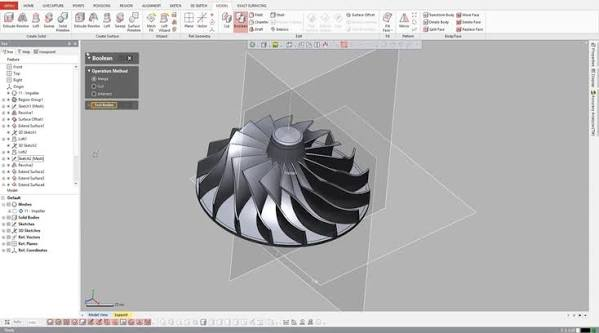
Parametric CAD Modeling for Mechanical Parts and Assemblies
A parametric model doesn’t just describe a part’s shape — it describes the logic behind it.
A parametric model doesn’t just describe a part’s shape — it describes the logic behind it.
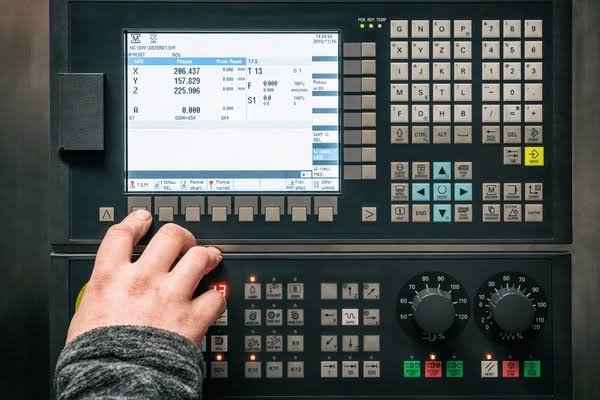
The last step between a CAM program and a running machine is small, easy to overlook, and easy to get wrong.
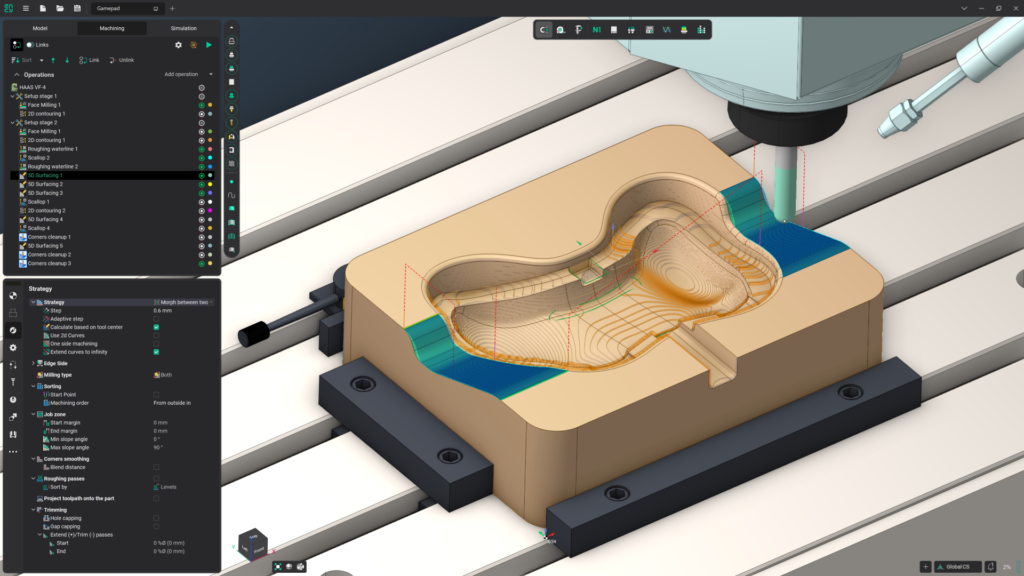
A collision in simulation costs nothing but time — the same collision on the machine can cost a tool, a fixture, or worse.
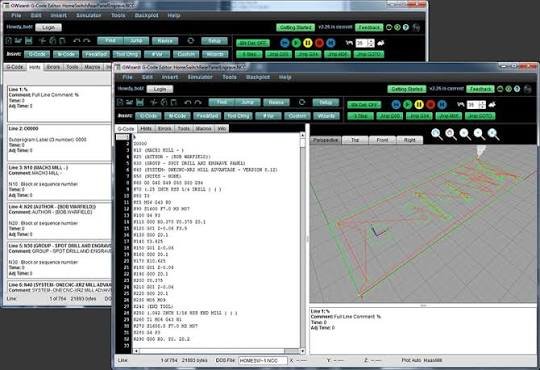
A perfect toolpath is useless if the machine’s controller can’t actually read the code it’s given.
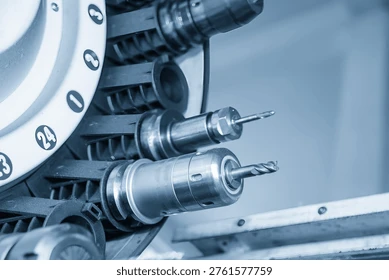
How to calculate CNC feeds and speeds: the RPM and feed rate formulas, chip load and chip thinning, starting values by material, a worked example, and choosing the tool.
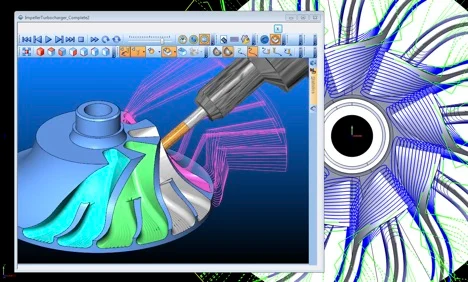
A practical guide to CNC toolpath programming: what each roughing and finishing strategy does, the parameters that matter, and how to match them to the part.
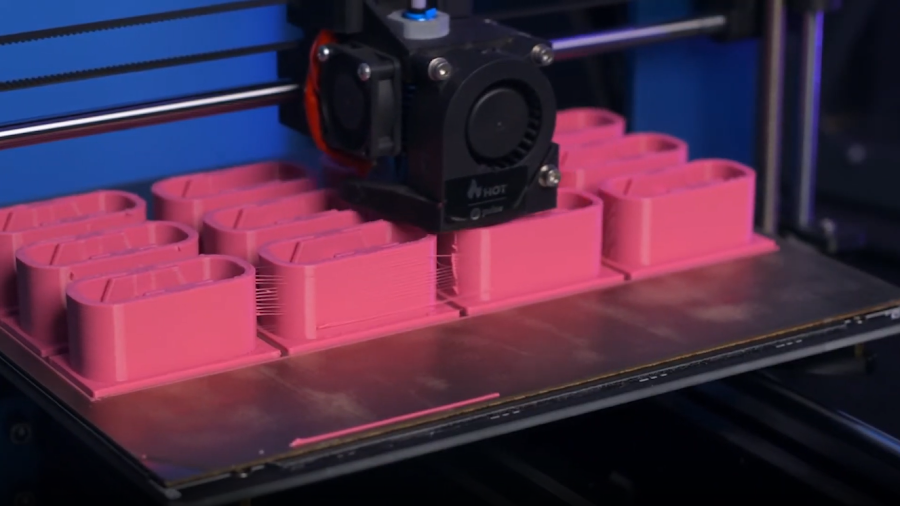
When Tooling Doesn’t Make Sense Processes like injection molding become extremely cost-effective at high volume, but only after a significant […]
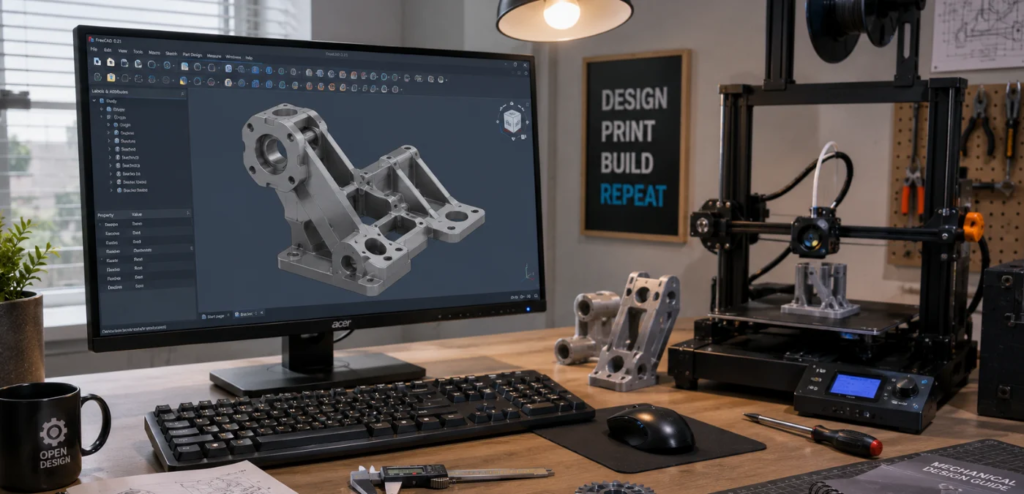
A design that machines perfectly can still print poorly — 3D printing has its own rules worth designing around.
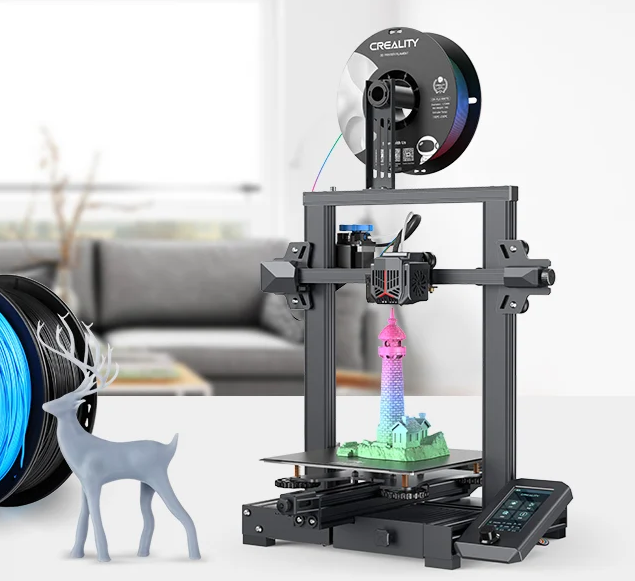
A practical 3D printing material selection guide: five questions to ask about your part, a comparison table, and the right material for each requirement.
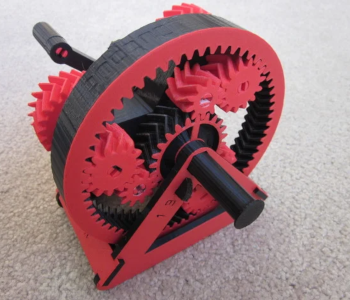
Functional 3D printed parts have to carry load, fit an assembly, and survive daily use. Here is how we print them and what we need from you.