
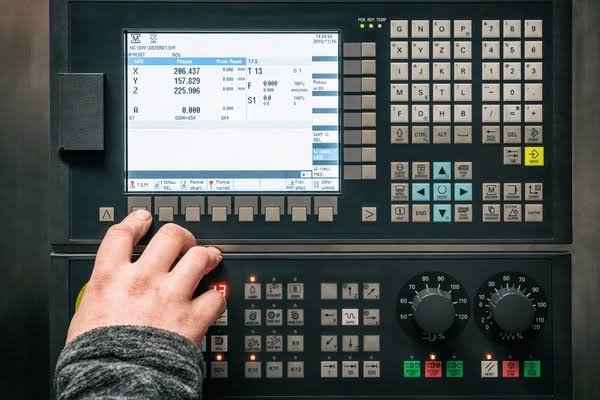
Post-Processing — Tailored to Your Specific Machine Setup
The last step between a CAM program and a running machine is small, easy to overlook, and easy to get wrong.

The last step between a CAM program and a running machine is small, easy to overlook, and easy to get wrong.
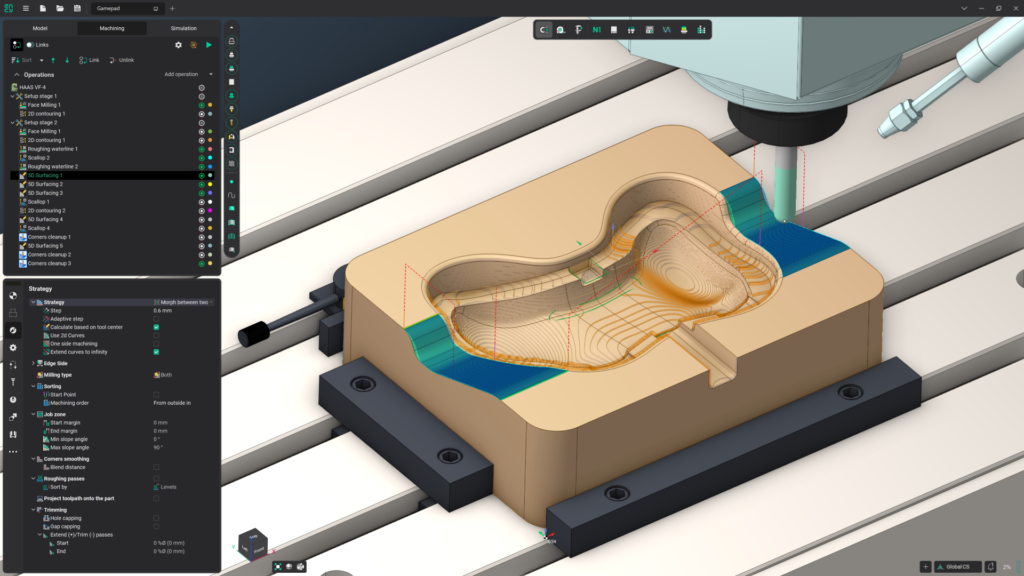
A collision in simulation costs nothing but time — the same collision on the machine can cost a tool, a fixture, or worse.

How to calculate CNC feeds and speeds: the RPM and feed rate formulas, chip load and chip thinning, starting values by material, a worked example, and choosing the tool.
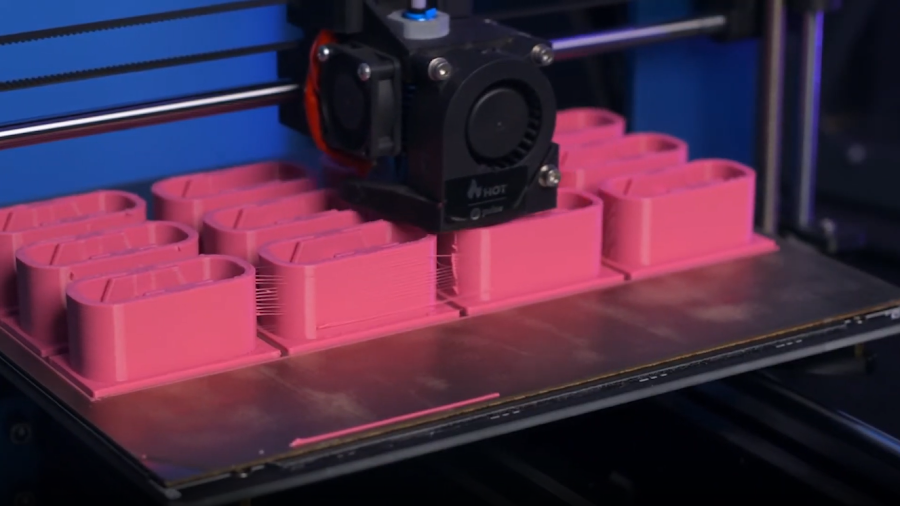
When Tooling Doesn’t Make Sense Processes like injection molding become extremely cost-effective at high volume, but only after a significant […]
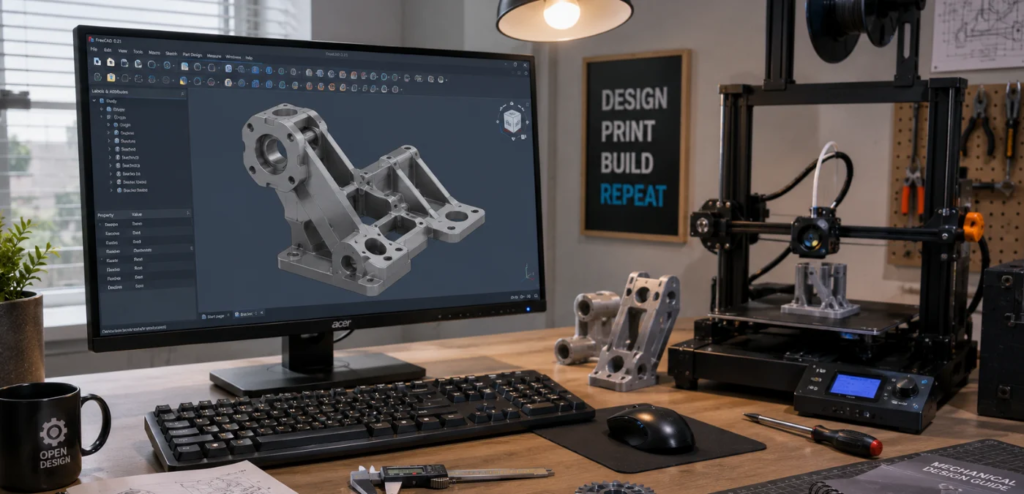
A design that machines perfectly can still print poorly — 3D printing has its own rules worth designing around.
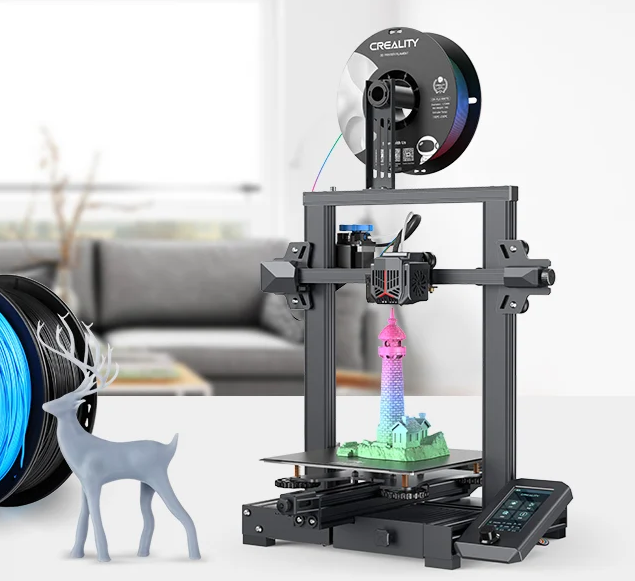
A practical 3D printing material selection guide: five questions to ask about your part, a comparison table, and the right material for each requirement.
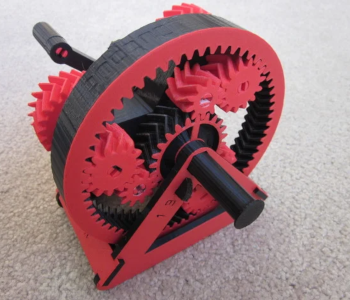
Functional 3D printed parts have to carry load, fit an assembly, and survive daily use. Here is how we print them and what we need from you.
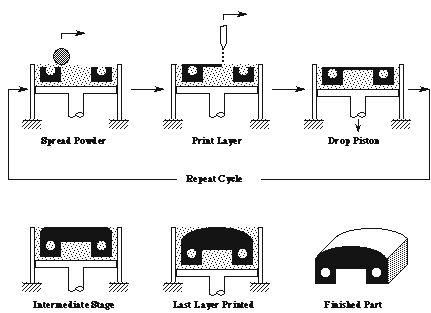
Holding a physical part reveals problems a screen never will — rapid prototyping gets you there fast.
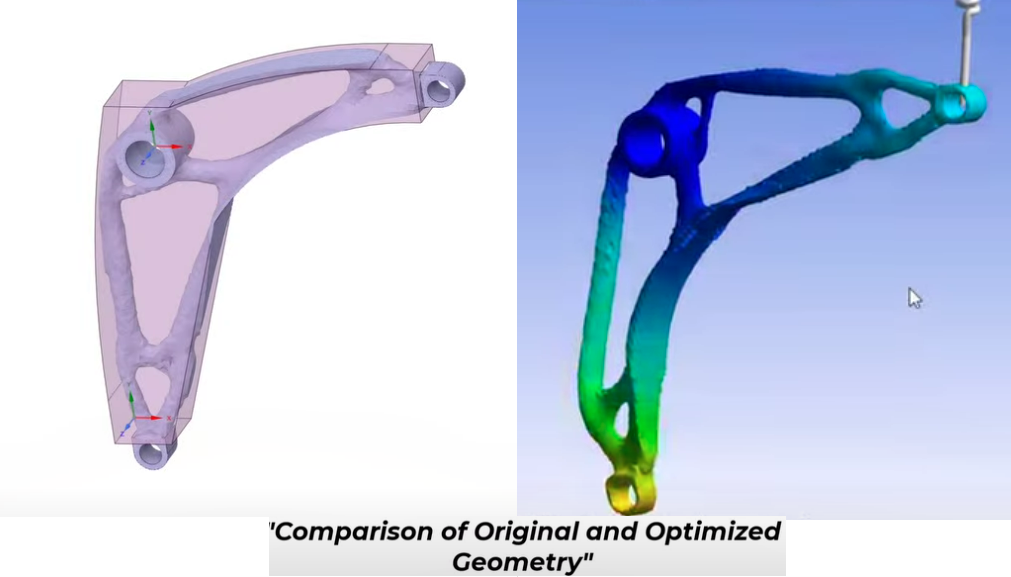
Most first-pass designs carry more material than they actually need — optimization is where that extra weight comes off.
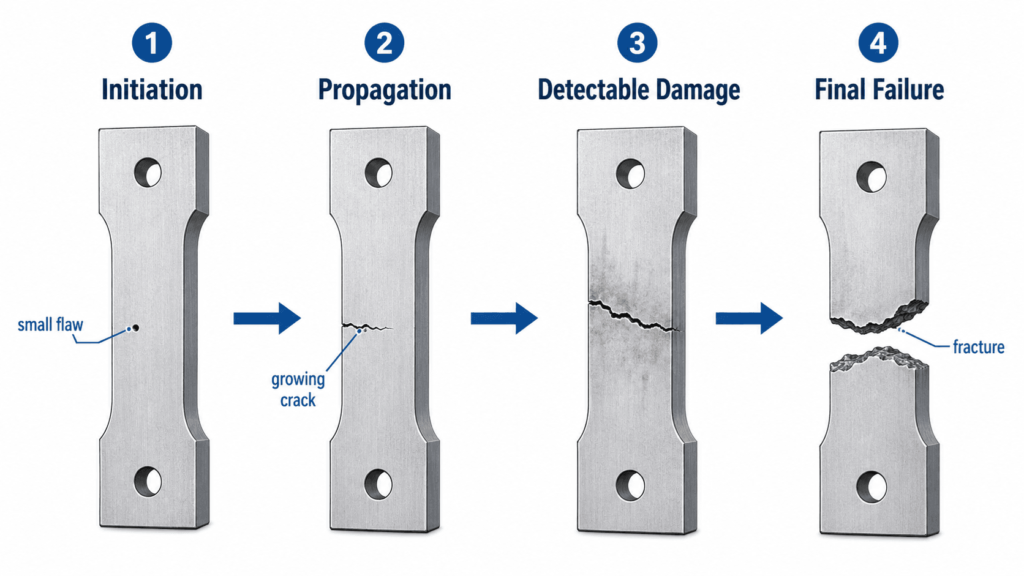
How fatigue analysis predicts the life of a part under repeated loads: the three methods, the steps from load history to safety factor, and the mistakes to avoid